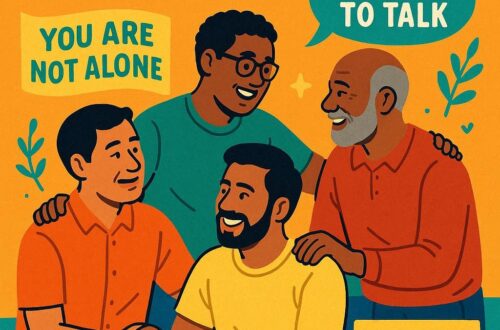
Introduction to the Mental Health Ice Bucket Challenge
What is Mental Health Ice Bucket Challenge?
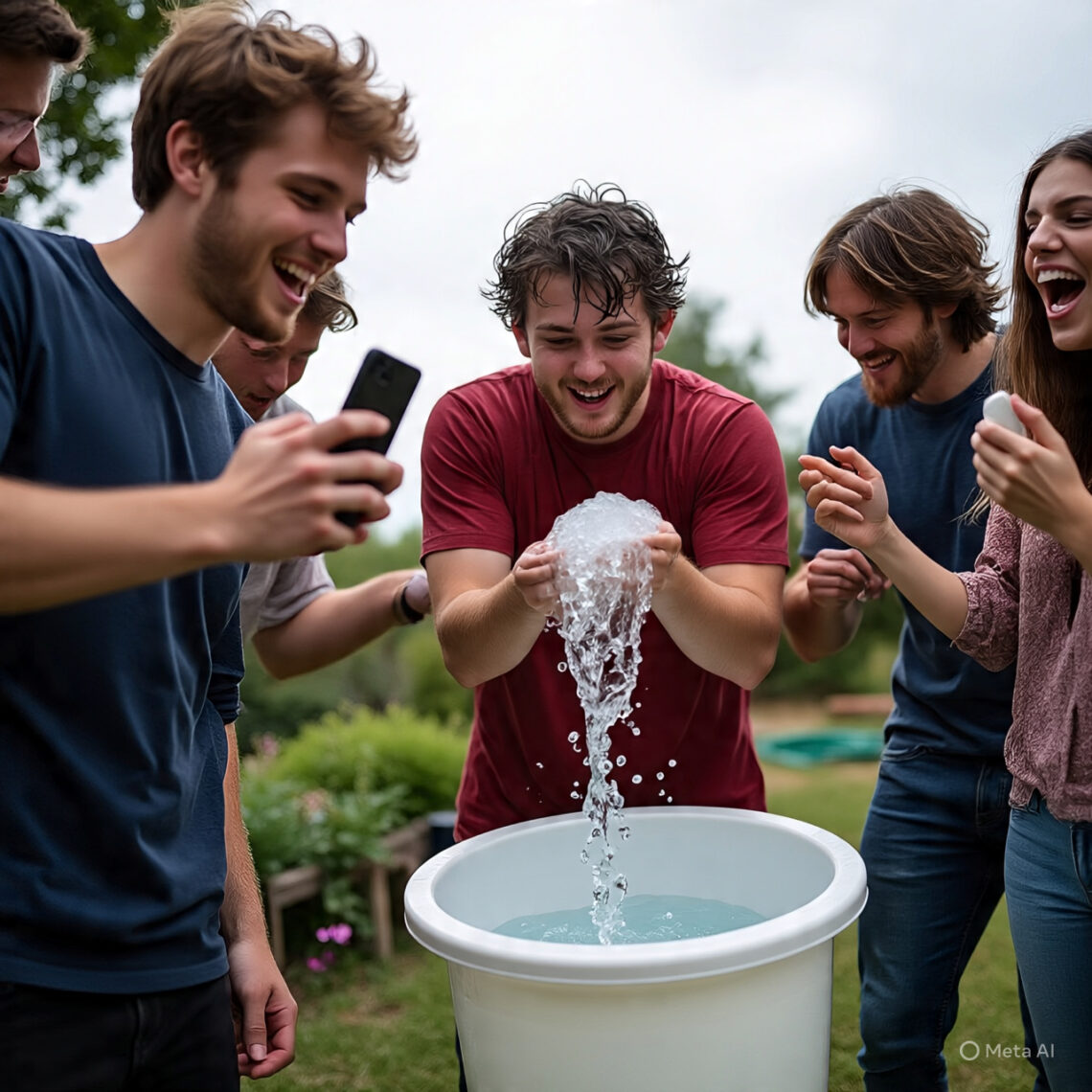
The Mental Health Ice Bucket Challenge is a special awareness campaign that can combine fun, social interaction, and significant advocacy. The virus was inspired by the viral ALS Ice Bucket Challenge of 2014, but this time it changes its theme to mental health- one of the most burning, yet stigmatized problems of the time. The participants record a video of them pouring a bucket of ice-cold water on their heads, post this on the internet and also nominate their friends or colleagues to do the same. It is not only about cold water, but igniting a conversation and shattering the silence and increasing awareness and funds to support mental health.
This challenge appeals to the universal language of humor and discomfort to raise a subject that not all people are comfortable speaking about yet. Mental health issues may be an unexpected, shocking experience- like a shock of ice water. It is that symbolism which renders the challenge not only relatable but also impactful. It will be a social and interactive activity, which ensures that it is done by most people, and eventually normalize the discussion of mental health by all ages.
In today’s digital-first world, movements like this thrive on platforms like TikTok, Instagram, and YouTube. Every share, tag, or repost helps the conversation become more personal to a person who may be desperately in need. It is also easy to join in, notwithstanding the simplicity of the challenge, and the message behind it produces an indelible impression.
The Inspiration Behind It
The Mental Health Ice Bucket Challenge was based on the enormity of the success of the original ALS Ice Bucket Challenge which made more than $220 million in donations globally. Mental health advocates perceived the possibilities of repeating this fun but effective campaign but with another purpose in mind. Mental health issues as opposed to ALS are invisible, misinterpreted and stigmatized. Millions of people are victims unheard since the society is yet to take mental health as seriously as physical health.
It is through the reinvention of the concept that the issues of depression, anxiety, PTSD and bipolar disorder became visible through the campaign. It does not only aim at raising money but also initiating life-altering discussions. Individuals are guided to discuss personal experience, commit their challenge to a person in distress, or just raise awareness about the need to feel well.
This campaign is, in a sense, not simply a dumping of water- it is pouring out stigma, ignorance and silence. Each splash is a voice that says, mental health matters.

The Importance of Mental Health Awareness
Why the Mental Health is not a Waste of Time.
Our overall well being is pegged on mental health. Even the physiologically best health can be destroyed without it. However, it is a tragic situation that millions of individuals across the globe struggle with mental health issues, but most of them are afraid and ashamed to get help because they feel they will be judged. Conditions like depression, anxiety, and burnout affect people in every walk of life–from students and parents to professionals and even celebrities.
The result of disregarding mental health is grave. It could influence working productivity, work relationships and physical well-being. To illustrate, stress and anxiety may result in insomnia, weak immunity and even heart issues. At the social level, the untreated mental illness costs billions of lost productivity each year. What is more important is that it kills people – suicide is among the most prominent causes of mortality all over the world.
The Mental Health Ice Bucket Challenge is very essential in this. It will increase the level of awareness in a light but effective manner that will make people more open to discussing their struggles. It informs them that they are not alone and it is alright to seek help. This ripple effect assists in the dismantling of the stigma and prompts communities to treat mental health with seriousness just as is the case with physical health.
Common Misconceptions Around Mental Health
Misinformation is one of the greatest challenges in mental health. The common mind has continued to think that mental illness is a demonstration of weakness or something that a person can come out of. Some believe that therapy is only done by mad people or that such a condition as anxiety is harmless, but just a stage. Such illusions make a person fail to seek the support he or she needs.
Ice Bucket Challenge on Mental health makes the conversation mainstream and dispels these myths. The inclusion of friends and family and even influencers and their stories conveys a very strong message: that anyone can suffer, and anyone can heal. The challenge is not only an activity, but a teaching tool.
As an example, someone who makes a post about their challenge may add a fact about mental health- such as one in five people in the world has an experience with a mental health condition. Such little bits of information, distributed in an entertaining manner, transform attitudes. It is not only awareness campaigns that disseminate facts but also transform culture.
The Social Movements in the Breaking of the Stigma.
Social movements have always been the engine of big cultural transformations. Since civil rights up until gender equality, the voice of the masses through public campaigns has not been heard before. Mental health advocacy is not an exemption. Campaigns such as Ice Bucket challenge demonstrate that a combination of humor, creativity, and collectivity can have an impact that is bigger than any one awareness speech.
Such challenges are beautiful in the sense that they are accessible. The response is inclusive and extensive because anyone with an internet and a phone can be involved. This is in contrast to medical conferences or expert panels, which have a small following as they appeal to a limited audience that may not normally read about mental health.
The challenge makes the awareness an activity and not a passive one. It is this interactivity that makes it so powerful- it does not educate people, it engages them.

Origins and Evolution of the Ice Bucket Challenge
The Viral ALS Ice Bucket Challenge of 2014
The Ice Bucket Challenge did not begin with mental health- it started with ALS (Amyotrophic Lateral Sclerosis). In 2014, social media was inundated with videos of individuals pouring ice cold water on themselves. They would make their friends do the same within 24 hours or would donate to ALS research. The movement became viral, and hundreds of millions of dollars were raised, including groundbreaking research and treatment.
Its success lay in three key elements: simplicity, shareability, and symbolism. The act of pouring ice water was an easy thing that anyone could, videos on social media made it go viral, and the shock of cold water served as an indication of the daily hardships that ALS patients face.
This momentum of the virus preconditioned the other causes to follow the same strategies, such as mental health.
From ALS to Mental Health: A Creative Shift
Following the amazing work of ALS campaign, the people in the mental health sector noticed they could also copy the model. Mental health issues do not necessarily show inspections as was the case with ALS. That contributed to the even greater symbolism of the Ice Bucket Challenge.
The cold shock symbolizes the abrupt and overwhelming experiences that many go through in regard to mental illness- panic attacks, bouts of depression, or intrusive thoughts. The same way the icy water can take you out of breath, mental health struggles can be equally a shocking free-fall.
This innovative change made a mere stunt a metaphor reaching out to millions. The participants also demonstrate that they stand alongside the people who are silently struggling day in, day out by pouring cold water over themselves to create awareness.
The Power of Social Media in Spreading Awareness
The new public square has been created in social media platforms. The movements do not depend only on newspapers or TV, but they flourish on TikTok trends, Instagram reels, and Twitter hashtags. The Ice Bucket Challenge demonstrated that once an idea is entertaining, emotional and simple to spread, it may spread all over the world within days.
The same formula is applied to the Mental Health Ice Bucket Challenge. The campaign goes viral with such hashtags as MentalHealthChallenge and IceBucketForMind. Now a participant is a messenger and the cause is carried into his or her network. And as influencers and celebrities come into the mix, the reach is exponentially increased.
The awareness campaigns that are happening in the digital world can be as powerful as they are shareable. The Mental Health Ice Bucket Challenge does not just create discussions but makes sure they reverberate in every corner of the internet.
How the Mental Health Ice Bucket Challenge Works
The Rules and Participation Steps
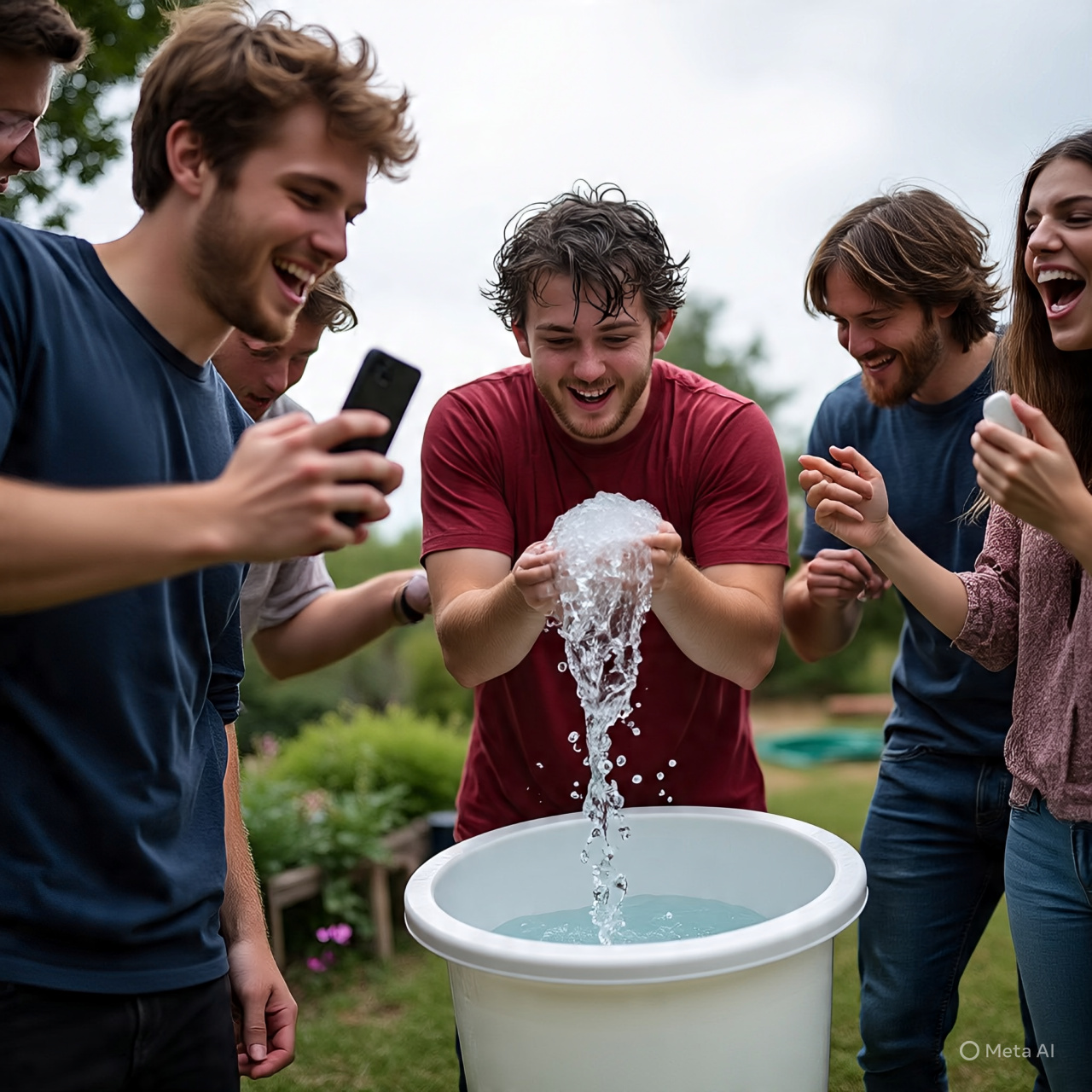
The Mental Health Ice Bucket Challenge is meant to be easy and enjoyable and therefore, everybody can participate. Here’s how it typically works:
- Take a Bucket of Ice Water – Fill it with plenty ice to obtain the full effect.
- Record a Video – Prior to pouring water into the cup, say that you are taking part in the Mental Health Ice Bucket Challenge to spread awareness.
- Share a Message – Devote your challenge to a loved one, post a fact on mental health or just prompt people to have an open conversation.
- Pour the Ice Water – Pour it over your head and note down.
- Nominate Others – Ask at least three friends to join in at least 24 hours.
- Post and Tag – Include the video with the hashtags and tag the nominated people.
- Give a donation – It is not obligatory, but donations to mental health organizations are welcome.
It is so effective because of the simplicity of such rules. Anyone, anywhere, can join in. The challenge cuts across age, culture and community, between kids in schools and professionals in offices.
The Role of Challenges and Nominations
Nomination is one of the keys to the viral success of Ice Bucket Challenge format. When one dumps ice water on oneself, he or she does not end at that point but he or she passes the burden on by nominating friends, colleagues or even celebrities.
This causes a domino effect. When it is a meaningful cause, people are challenged but motivated to participate. Nobody will wish to be the one who breaks the chain and that is the same peer pressure in a playful manner that keeps the movement going.
Diversity is also introduced through nominations. A U.S. person can fight an Asian friend expanding the campaign past the borders. This not only makes it a national affair, but an international one.
Going Beyond the Ice: Contributions and Help.
Whereas the splash of ice water catches the eye, the end result is the action. The difficulty is made real through raising funds to support mental health efforts. A considerable number of participants are willing to contribute to the organizations which are engaged in suicide prevention, funding of therapy and community support.
Others go a step further to add their challenge with awareness discussions, online donations or organizational campaigns. As an example, a company could commit to give 10 dollars to each employee who is involved. Schools can invite group challenges that benefits local counseling centers.
This fun and fundraising combination transforms Mental Health Ice Bucket Challenge into more than a stunt- it becomes a change tool in the real world.
Why an Ice Bucket Challenge for Mental Health?
Symbolism of Cold Water and Mental Health Struggles
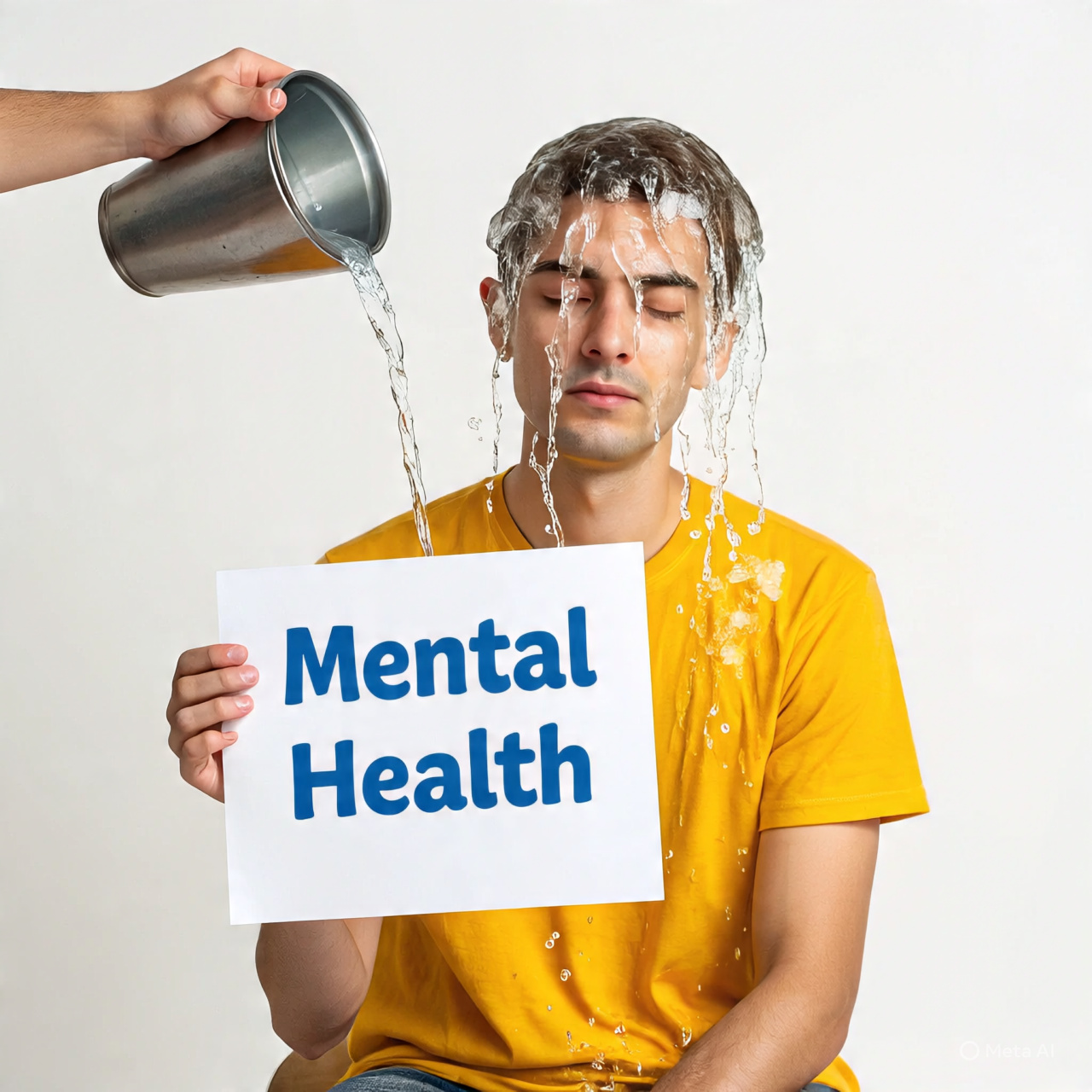
On the surface, dropping ice water on your head may appear to be ridiculous. But when it comes to mental health it has great symbolism. The jolt of frozen water is shocking, overwhelming, and breath taking. This is a reflection of most mental health battles, where they are unexpected, paralyzing and hard to justify to others.
Through the goodwill of enduring such inconvenience, participants are metaphorically putting themselves in the position of those who fight everyday visible battles. It is an expression of, I might not know exactly, but I am with you.
Such symbolism turns a playful act into a sympathetic one. It fills the divide between the sufferers and the other who might not necessarily experience mental illness themselves but would like to help in the cause.
Create Awareness in an entertaining but meaningful manner.
Mental health advocacy is also one of the most difficult parts which require making easier. The discussions needed are serious, and not always wide participated. However, fun activities draw more people to participate in them especially when they can be shared on the internet.
The Mental Health Ice Bucket Challenge balances both worlds. It is catchy enough to spread and become viral, but serious enough to be remembered. A person can also view a humorous clip of his/her friend screaming under ice water, but also read the mental health fact that is listed in the caption. It is at that point that the difference is felt—consciousness in disguise.
Encouraging Conversations About Mental Health
The most effective result of the challenge is probably the way in which it leads to a discussion. Mental health is a subject that is swept under the carpet. However, when one puts a challenge video and includes a caption such as, I am doing this on behalf of my brother that struggles with anxiety, it opens the path to actual dialogue.
Friends can comment or give their experiences or even privately contact to chat. Even a mere video can initiate debates that people have been avoiding all their years. By so doing, the challenge does not only achieve awareness but a culture of openness and support.

The Global Response and Impact
Viral Campaigns Across Different Countries
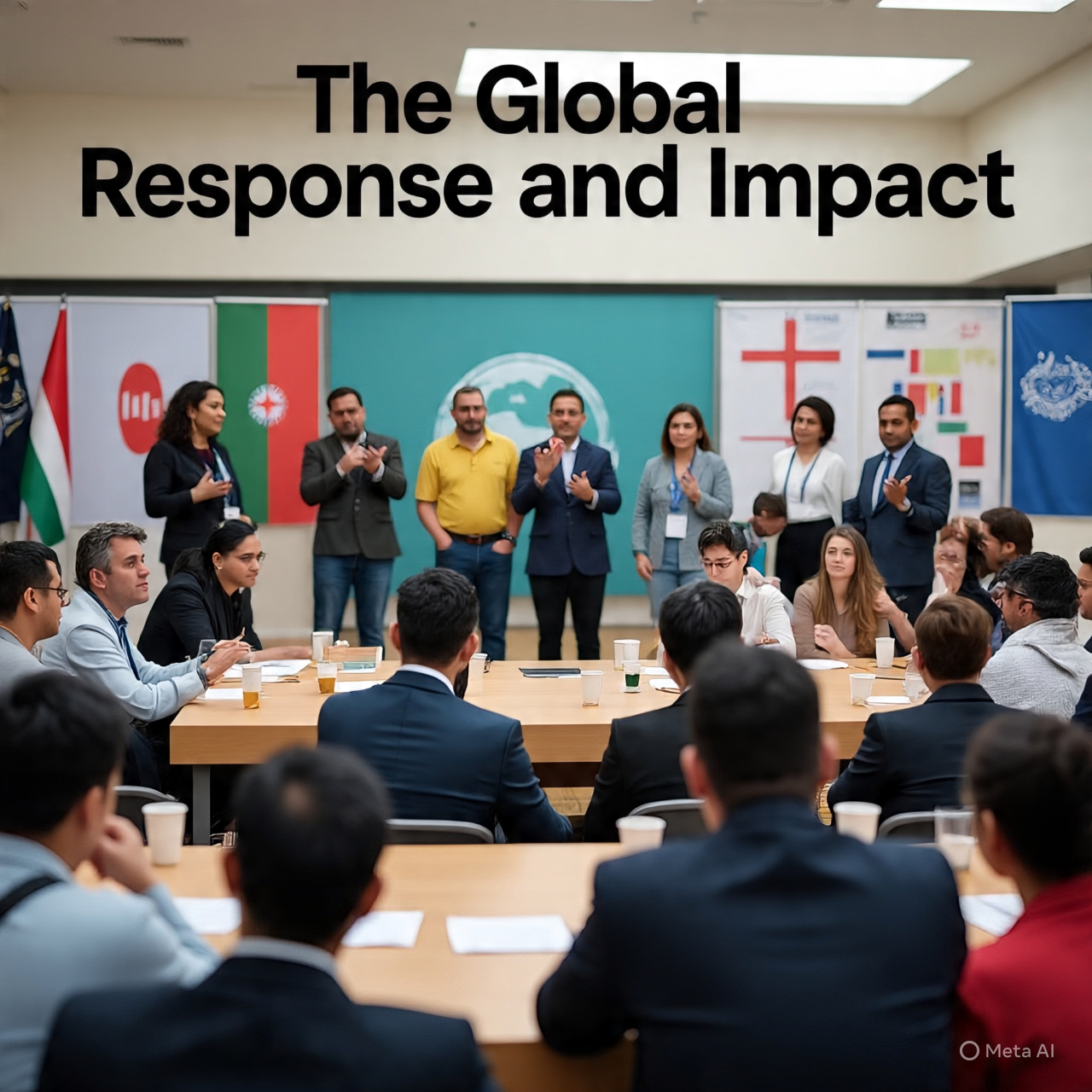
The Mental Health Ice Bucket Challenge was soon intercontinental, and it was once again seen that there is no boundary to social media as far as raising awareness is concerned. In the United States, across the United Kingdom, and into Australia and some of Asia, people took up the challenge in inventive ways. Others held mass challenges in which dozens engaged at one time pouring ice-water, and a few virtual challenges, where people recorded videos at home.
The reason why the campaign was successful in the international arena was that it had a universal message. Mental health is something that can affect everybody all over the globe, and all cultures can find some sympathy, understanding and encouragement. Their participation meant that individuals of various backgrounds felt that they were part of a common cause in destroying the stigma and initiating discussions that are usually taboo.
Powerful community-driven cultures in the countries such as India and the Philippines experienced massive participation with schools and offices converting the challenge into awareness campaigns. At the same time, in Europe, nonprofit organizations enlisted the help of influencers to further spread the word. This movement across the world transformed a mere trend on the internet, to a movement that has touched the lives of millions of people.
Influencers and Celebrities participating.
Viral campaigns are always triggered by celebrity involvement and the Mental Health Ice Bucket Challenge was not an exception. The message spreads even faster and wider when it is joined by actors, musicians, athletes, and social media influencers. As an example, celebrity stars filmed themselves taking part and dedicated their struggles to their fans or family members with mental health problems.
Influencers, especially, were critical. As platforms such as Tik Tok and Instagram took over the young demographics, influencer-led challenges made having a chat about therapy, anxiety, and depression acceptable. Others took it a notch higher, and paired the challenge with personal tales of their mental health journey. This was not only an encouragement to participate but also emotional bonds with their audiences.
The implication of engaging celebrities turned the campaign into more than a fun prank, but a serious form of advocacy. Their words were powerful and they were able to demonstrate that mental health problems do not discriminate on fame or fortune.
Social Media Engagement and Statistics
The actual force of the challenge is its numbers. Social media is active due to interaction, and Mental Health Ice Bucket Challenge received millions of posts, likes, shares, and comments. Trending Hashtags such as #IceBucketForMentalHealth and #MindOverIce gathered popularity and made more individuals jump in.
Early campaign statistics showed that videos were viewed by millions of people within days, and Tik Tok videos received millions of views and Instagram reels were shared all over the world. The younger viewers were especially active as they are more willing to talk about the subject of mental health over the Internet.
This digital footprint translates into real-world change. The greater the discussion around mental health on the internet, the more comfortable others become to seek help. Social media not only rendered the challenge viral, but it was used to destigmatize the discussion of mental health.
Mental Health Organizations that are helping the challenge.
Collaborations with Non-Profits and NGOs
Ice bucket challenge soon became more than entertainment to the mental health organizations. NGOs and nonprofits found allies with social media influencers, schools, and even corporations to make the movement stronger. Through this, they made sure that awareness was converted into real action in benefiting the needy.
Other organizations developed formal toolkits including guidelines on how to be involved, hashtags to use and links to donation to mental health efforts. Others collaborated with universities and local organizations and held massive gatherings in which hundreds of people took part. Those partnerships gave the campaign not only viral video-related but also built into creating an awareness-to-action gateway.
Contributions and Support Raises.
The money raised by the ALS Ice Bucket Challenge was one of the greatest achievements of the first one. Likewise, the Mental Health Ice Bucket Challenge urged its participants to make contributions to the charity after the completion of the challenge. Participation in some campaigns was made affordable by letting donations as low as $5 and others raised thousands of dollars in business-supported campaigns.
Charities that deal with mental health showed the peaks of donations during the campaign and managed to increase the number of hotlines, counseling, and community programs. As an illustration, some of the nonprofits would utilize the funds to offer free therapy to individuals who could not afford it. Others have spent funds on school programs that can educate the youths on the significance of emotional well being.
The fun, awareness and fundraising component made the challenge a triple-impact movement- one that instructed, entertained and empowered.
Success Stories from Beneficiaries
Maybe the strongest section of the campaign is the listening to the real life stories about how it transformed lives. Individuals who fought depression said that the presence of their friends allowed them to feel not isolated. Families of the people with anxiety or PTSD were thankful about the awareness quelled.
Success stories from the organizations themselves were also reported: counseling centers received more people asking to be helped and online communities turned into safer places where open dialogues could be held.
A particularly vivid example was that presented by the schools in which the students reported that the hardship had given them the bravery to discuss their problems with the teachers or counselors. It proves that there are times when, even the pouring of ice water may lead to a sequence of courage, pity, and cure.

Criticism and Controversy Around the Challenge
Is it a Trend or A Real Awareness?
The Mental Health Ice Bucket Challenge was not spared of criticism like any viral movement. Other critics claimed that it was a mere trend, and people were taking part just to earn likes and shares and not because they cared about mental health. Some said that awareness cannot be the solution to structural problems such as inaccessibility of therapy or mental health underfunding.
Though these fears have some truth, it is worth mentioning that awareness is the initial step of change. Beneath the surface, there are more problems that do not get discussed. The challenge does not solve all problems, however, it sparks the conversation required to create larger changes.
The Risk of “Slacktivism”
Another criticism of viral campaigns is what is termed slacktivism, or activism that is mostly low-effort activism, such as posting a hashtag but actually taking no action. Other people say that pouring ice water and recording a video cannot do much to assist mentally ill people.
Nevertheless, the fact that not all of us can donate or do more still is not so bad because the mere presence of the movement is worth it. To a person who is a silent sufferer, seeing their friends, workmates, or other influential persons taking the challenge would be the boost he/she needs to open up or get assistance. In this sense, even minimal action contributes to cultural change.
The Positive Action to Counter Criticism.
Nothing can make critics quiet more like impacting awareness. The challenge advocates have succeeded in doing just that by accompanying their videos with actions that matter: donating to mental health non-profit organizations, exchanging personal stories or forming support groups.
Those schools and workplaces that took the challenge up tended to augment it with a mental health workshop or fundraising. As these institutions were able to make fun interactive and educational, the challenge made an indelible impression rather than evaporate into a short-lived trend.
After all, the criticism is a reminder: although the viral trends come to an end, the cause must remain. The trick here is to leverage the momentum to establish long-term support systems on mental health.
Creative Alternatives to the Ice Bucket Challenge
Other Fun Social Media Challenges for Mental Health
The successful Ice Bucket Challenge is a spin-off that influenced numerous others to create their spin-offs as well to generate mental awareness. As an example, one of the challenges prompted them to post selfies unfiltered to foster self-acceptance, whereas another one engaged them to post three things they are thankful about as a means of fostering positivity and mindfulness.
Such options demonstrate that awareness campaigns do not have to be in a single format. It can be pouring ice water or putting affirmations or telling stories, but the point is the same to make the mental health conversation approachable and entertaining.
Virtual Campaigns and Storytelling Initiatives
Physical stunts cannot be performed by all and virtual campaigns have become very popular. Mental health organizations stimulate individuals to discuss personal stories in social media with the help of special hashtags. The others hold online art or video competitions in which people creatively convey their mental health experiences.
In storytelling, in particular, the effect is strong. When one reads or watches the experience of another, they make the struggle normal and it builds empathy. Virtual campaigns are more inclusive whereby individuals of all kinds of lives can join up in the cause without being restricted.
Long-Term Awareness Programs
Although challenges are great in generating momentum, long-term efforts need to be sustained to have a long-term effect. The wave of the Ice Bucket Challenge has become the continuous programs of many organizations. These include:
- School Mental Health Clubs – providing students with the strength to promote mental health.
- Corporate Wellness Programs – promoting openness of employees about stress and burnouts.
- Community Workshops – offering complimentary education on how to identify symptoms of mental distress.
- Offering a continuation of the hype created by the challenge, these programs are able to make the discussion persist well past the viral trend.
c
The Process of organizing it locally, step by step.
It doesn’t need a big budget or a huge staff to run your own Mental Health Ice Bucket Challenge, just creativity, dedication, and a handful of willing participants. Here’s a simple breakdown:
- Select a Cause or Organization – Select the nonprofit or initiative in mental health you’d like to contribute to. This is to provide participants with a definite motivation other than the fun.
- Establish the Regulations -Make the challenge clear: film yourself, pour the ice water, share a mental health post, nominate, and donate when you can.
- Gather Participants – Start with family, friends, coworkers, or classmates. The initial several videos generate the impulse.
- Record and Share – Use a smart phone to document the challenge. Turn it into fun–inclusive of humour, creativity, or a passion message.
- Post Hashtags – Post the video with regular hashtags such as the MentalHealthIceBucketChallenge in order that others can identify and participate.
- Promote Donations – Post links to reputed charities and invite even the smallest donation.
- Track Engagement – Call back to follow up on the nominees to keep the chain alive.
The trick lies in the regularity and the passion. When individuals realize the intent and happiness that the act is intended to be, uptake becomes a chain reaction.
Reach using Hashtags and Social Media.
The challenge is centered on social media, and thus as much exposure as possible is necessary. Hashtags such as MindOverIce, BreakTheStigma or MentalHealthChallenge enable posts to be searchable and unite participants all over the world.
To increase reach, the participants should:
- Tag friends, organizations, or influencers in their posts.
- Use platforms like TikTok and Instagram Reels, where short, fun videos thrive.
- Personal stories should be shared as well as the difficulty of making the message heartfelt.
Better still, holding social media challenge days where a number of people contribute simultaneously would generate trending activities that attract more attention. A little creativity and publicity can make a small local project worldwide in a few hours.
Creating a Support System With the Challenge.
The community is another of the strongest results of the challenge, besides awareness. Every nomination makes relationships between friends, families, and colleagues stronger and forms a support network.
There are even groups who have gone ahead and established permanent mental health networks following the participation. As an example, schools which hosted later challenges started peer-support clubs, and workplaces started mental health committees to keep the discussion going.
The challenge turns into more than a viral video- it turns out to be the beginning of long-term conversation and support systems. Through the participation, individuals do not merely create awareness, but they also enhance empathy, realization, and bonding with society.

The Future of Mental Health Awareness Campaigns
The Role of Technology and Digital Communities
We are living in a time of technology that is transforming the way we conduct mental health advocacy. Communities, forums and apps in the online sphere are providing people with a platform to interact, share and recover. The Ice Bucket Challenge demonstrates how movements can become successful in the online era so easily.
In further campaigns, interactive technology will most likely be used alongside awareness campaigns. As an illustration, apps may gamify the participation, and participants can get rewards after accomplishing the challenges or donating. The online forums may be linked to campaigns where members may give their experiences once they post their videos online.
Technology means that the awareness does not finish with a video–it becomes living, continuous discussions and materials.
Virtual Reality and Gamified Awareness Campaigns
And imagine, actually, a simulation of what anxiety or depression feels like, with a VR headset on. It is no longer a science fiction, VR is applied in therapy and awareness campaigns to develop empathy.
Another effective tool is gamification. Mental health education in the future can create a difficulty in the apps where people are able to complete tasks that foster mental health such as mindfulness practices, journaling prompts, or gratitude challenges. At a certain rate, every task that was successfully accomplished might open the gates to sponsorship of donors, combining fun, education, and change.
Mental Health Ice Bucket Challenge may reach more experience, using digital innovation along with real-life action.
The Next Generation of Global Movements
The Ice Bucket Challenge is successful because it shows that the world is prepared to do mass, imaginative awareness campaigns. However the following campaign generation will have to do more- viral fun alongside systemic change.
Future programs may concentrate on:
- Policy Advocacy We are working to have governments invest more in mental health services.
- Workplace Integration – making awareness part of the corporate culture and not merely campaigns.
- Youth-Led Movements – enabling youth to lead the world issues.
It is not only about going viral, but also about establishing cultural changes, in which mental health would be as publicly discussed and endorsed as physical health.
Personal Impact of taking part in the Challenge.
Anecdotes of People Who Prospered.
Given that the Mental Health Ice Bucket Challenge is all about sharing personal stories of impact, it is one of the most heartwarming. Several individuals have related how the sight of their loved ones taking part created the courage in them to seek assistance.
As an example, a depressed teenager may feel well when classmates dedicate videos to him/her. In the same manner, the employees in the stressful occupations feel visible when their bosses attend publicly. These scenes shatter this barrier of silence and make people aware that they are not alone.
Other participants have made their participation a long term advocacy, beginning with blogs, support groups or fundraisers based on the challenge.
Building Empathy Through Participation
It is not just fun to be part of the challenge and empathy is created. The experience of being shocked at the icy water gives a small insight into how it may feel to be suddenly engulfed in mental health problems. Although the comparison may not be ideal, the symbolism does assist those involved in relating on a higher level.
In addition, the act of offering the challenge to a personal person makes the cause more personal. No longer is it just about mental health, in general–it’s about your friend, your sibling, your colleague. This personalization fosters real empathy and compassion.
Promoting Open Discussion with Friends and Family.
The most long-term effect is, perhaps, the stimulation of discussions at home and in the social circles that the challenge provokes. Mentally ill friends who may have never mentioned this would ever talk about it would now be commenting on a video about mental health. Families view the videos and think about personal experience.
These conversations matter. They lay the seeds of openness which have the ability to blossom into long term understanding and assistance. What may begin as a viral challenge, can result in a meaningful conversation and healthier relationships and communities.
Practical Ways to Support Mental Health Beyond the Challenge
Giving and volunteering to Mental Health Organizations.
When the ice water evaporates, the reason persists. Direct action is one of the best means of maintaining the momentum- volunteer time, skills, or money to mental health organizations. Hotlines, counseling programs, and educational programs are some of the aspects that many nonprofits require. The little helps.
Alternatively, people have an opportunity to volunteer during community events, become peer mentors, or assist with awareness campaigns. To funders who cannot spare time, the provision of financial resource secures the continuation of such organizations in their important work.
The promotion of Policy Changes and Workplace Support.
Consciousness will not resolve structural problems. Change should be real which needs policy changes and reform in the work place. A call to go to schools and provide mental health days, an appeal to get a budget increase on mental health, even lobbying to get employee assistance program are all effective measures.
Places of work especially are important. It is important to promote open conversations, wellness programs, and educate managers to be aware of burnout symptoms. Through the incorporation of mental health support as a part of the professional setting, we make it a normalized aspect of our lives.
Self-Care and Inspiration of others.
Lastly, mental health can be supported at home- with self-care. Mental well being can be safeguarded by practicing mindfulness, exercising, journaling, and keeping healthy boundaries. By encouraging friends and family, it is a culture of wellness that will be promoted.
Ice Bucket challenge can get attention but personal habits perpetuate change. People can influence others to take care of their mental health as well by setting good examples of how to live a healthy lifestyle.
Conclusion: The Lasting Legacy of the Mental Health Ice Bucket Challenge
The Mental Health Ice Bucket Challenge is not just a viral stunt, but a movement comprising fun, symbolism and impact. It has created a space to have conversations on a global scale, raise funds and create empathy within communities through making an entertaining activity be a platform of advocacy.
Despite all the criticisms, the challenge has been found worthy as it creates awareness and can motivate action. It has a long-term impact that is far more successful than anything it proposes, such as the discourse it creates, the communities it establishes, and the paradigm shifts it sparks in the societal perception of mental health.
The same icy shock makes us feel breathless and the challenge reminds us that mental health struggles can be overwhelming–yet, with compassion, understanding, and shared effort, we can all help to take the load off.
FAQs
Is the Mental Health Ice Bucket Challenge A recognized concept?
Although it is not organized by an individual authority, it is promoted and sponsored by numerous mental health organizations across the world as an awareness activity.
Am I Required to Donate Money to Take part?
No. Donations are not compulsory but welcome. It is a difference to simply be involved and create awareness.
Can Schools and Workplaces Organize the Challenge?
Yes. Group challenges are organized in many schools and companies, and they combine fun with workshops, donations and discussions.
Is It Safe that All People Can Participate?
Typically yes but those who have health issues are not to be subjected to extreme cold. Other options such as storytelling challenges may be less dangerous.
What Can I Do to Make My Challenge Viral?
Be creative! Include jokes, tell personal stories, trending hashtags, and nominate others in order to keep the chain going.