Introduction to the Health and Safety Executive at schools.
Schools are not merely educational establishments; they are places where children, teachers and other support staff members spend much of their lives. It is important to make sure that all the people in this environment are safe and healthy. Health and safety in schools also includes the prevention of accidents within classrooms and playgrounds as well as emotional health. These can all lead to injuries, legal problems and eventual losses by students and staff members.
Health and Safety Executive (HSE), the health and safety regulator of work environments in the United Kingdom, contributes significantly to helping schools navigate through legislation and best practices. They do not want to cram schools with bureaucracy but offer practical and proportional advice to help create a safe learning environment.
Schools are small towns. These spaces are where children run, play, learn in laboratories and even use heavy equipments in workshops. Towns have rules and regulations to ensure safety and similarly schools must have mechanisms to ensure that all people within schools are safe. The HSE helps schools to put such structures in place by providing guidance and inspection and where necessary enforcement.
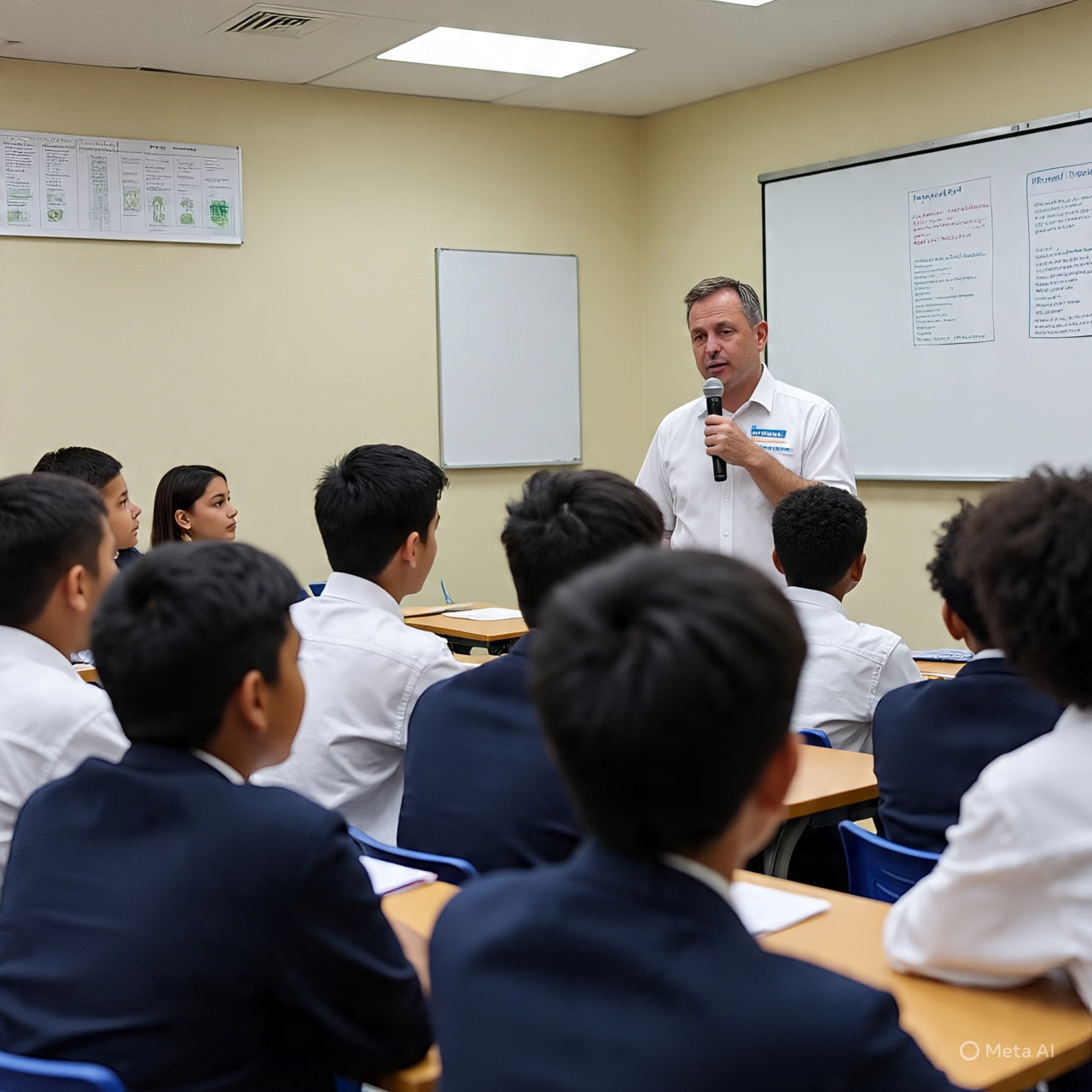
Laws for School.
No one can dismiss the idea of health and safety in schools as being optional. The Health and Safety at Work Act 1974 forming the cornerstone of workplace safety law in the UK applies equally to schools as it would to any other workplace. In certain instances, this law prescribes general obligations on employers and employees and even pupils.
The Health and Safety at Work Act 1974.
This legislation places the duty on schools to provide as far as reasonably practicable, the health, safety and welfare of their employees and students. It does not imply removing every risk (no such thing), but making sure they are addressed in a responsible fashion. Risk assessment, training, and procedures aimed at preventing harm must be provided in schools.
Employers, Headteachers and Governing Bodies responsibilities.
Health and safety is ultimately the responsibility of the employer in a school-based setting; that is, a local authority, an academy trust, or an independent board of governors. The ground level managers are the headteachers who ensure that policies are implemented and staff members follow the procedures. Authorities ensure that the school distributes resources and maintains policies, as well.
Teacher and Staff Responsibilities.
There are also legal obligations on teachers and staff. It is their responsibility to ensure that they and their pupils are safe. The teacher of sciences engaged in some experiment should be able to wear the needed protective equipment and tell the students about the dangers, as an example. Likewise, the caretakers should make sure corridors are clear of any tripping hazards.
The law has it all in place: health and safety is a common duty. A safe school environment will be created by everyone including the headteacher to the lunchtime supervisor.
Educational Risk Management.
Schools by nature are busy places hence risk management is important. Risk management is not about not allowing children to play football or not conducting experiments in scientific laboratories. Rather, it is about identifying risks, evaluating dangers and implementing reasonable safety measures.
Where can Common Hazards in Schools be found?
There are physical, chemical, biological, and even psychological hazards. Some common ones include:
- Wet floors, which cause falls and slips.
- Potentially dangerous playground equipment.
- Scientific experiment chemicals.
- Classroom and workshop electricity.
E.g. a playground risk assessment could indicate old swings and recommend repairing them.
Effective Risk Assessments.
School safety is dependent on risk assessment. The process involves:
- Identifying hazards
- Evaluating who, and how may be harmed.
- Assessing the danger and determining precautions.
- Documenting results and putting things into practice.
- Revising and updating on a regular basis.
The risk assessment should not be complex. Significance of Written Health and Safety Policy.. It all depends on moderation: enabling activities to go on and reducing avoidable risks.
Application of Control Measures.
Schools need to respond once risks are established. Among the control measures can be:
- Fitting staircases with handrails.
- It is important to provide fire extinguishers and train the staff on how to operate them.
- Overseeing sports activities adequately.
- Making sure that science laboratories are equipped with safety goggles and fume chambers.
The end objective is to promote learning and play in safe and structured settings. Children need to learn by doing, but schools should not allow them to do it at the expense of risks which can be avoided.
Safety Policies and Procedures
Written health and safety policy is not a formality but a very important document which helps the school in day to day management of safety.
It acts as a measuring rod to everyone in the school and gives stability.
Schools that employ five or more workers are also legally obliged to have a written health and safety policy. This report must contain duties, protocols, and methods to maintain the safety of staff and students. Disaster Exercises and Drills.
The action is to be taken immediately and coordinated in the case of an emergency (fire, gas leakage, an intruder alert, etc.).
Safety Policies. Schools should also have a clearly defined emergency plan and occasionally have drills to make sure that everyone knows what to do. Drills, such as fire drills, need to be conducted at least once a term, and paths must be kept clear at all times.
The employees need to know how to use the extinguishers but the students need to know more about evacuation.
Policies are not set in stone. Policies need to be revised and updated as new risks arise, this can be due to technological shifts, new playground equipment, and health disasters such as COVID-19. In schools, audits and inspections ensure that the schools remain abreast of possible problems.
Policies should be vigorously followed and modified to become living documents that help safeguard staff and students, rather than a piece of paper in a file.
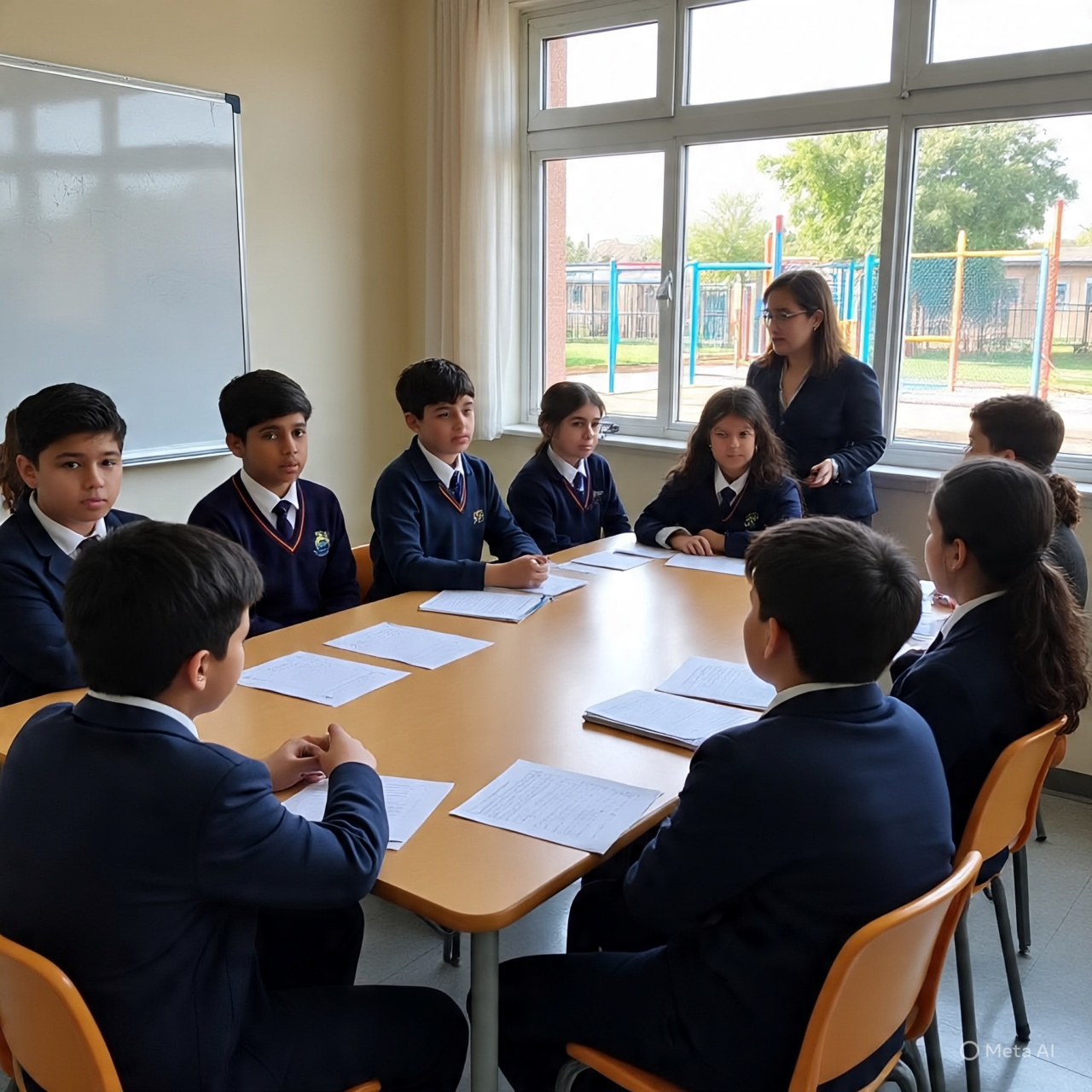
Typical Health and Safety Problems in Schools.
There are numerous safety issues that schools encounter that must be handled with caution.
Fire Safety Rules and Measures.
One of the most critical risks of any type of public building is fire. Fire extinguishers, evacuation routes, and fire alarms have to be implemented in schools. Maintenance and exercises should be regular. Playgrounds should be fun but damaged equipment or carelessness can cause accidents.
There has to be a playground and sports safety.
To illustrate, football referees need training and first aid supplies must be readily available. Equally, sports activities need trained personnel, equipments and first aids. It is the responsibility of teachers to make sure that both chemicals and students are well secured and that they have tight control over how they are using machines.
Lab and Shop Safety.
There are certain risks of science laboratories and workshops. The workshops should have emergency shut-off switches and safety signs. Training/Awareness of staff and students.
Prevention of Accidents and Incidents.
However cautious a school may be accidents occur. It depends on the way they are handled. All schools need an incident reporting and investigation system. Not only does this prevent repetitive accidents, but it also offers the school legal protection. Staff first-aid training is a requirement and ideally there should be first-aid officers in every school.
CPR, first aid certification.
Effective health and safety in schools are largely dependent on training and awareness. With policies and procedures, it is nothing without the people who are to implement them and they either do not care about them or are not aware of their existence. It is crucial to establish a culture of the shared understanding of each and every person (both top staff and the youngest learners) about their responsibilities in ensuring safety.
Training and Awareness for Staff and Students
Employees form the front-line in implementation of health and safety. They are trained on a regular basis to be aware of how to avoid accidents and how to act in case of an emergency. Training might include:
- Knowing about being bullied or distressed.
- Evacuation and fire drills.
- Risk-free use of chemicals and gadgets.
- Reporting of the hazards.
The personnel is alerted through regular refresher, and updated on new hazards, it may be a new technology, building new premises, new outdoor pursuits.
Such training must not be a one-time undertaking. Awareness and Participation by the students.
Older students could be trained on digital safety or lab rules or report on hazards.
Students also contribute to school safety. Some of the ways children learn to act responsibly is through awareness campaigns that are provided either in assemblies, classroom discussions or posters. For example:
- Four year olds may be taught not to run along the corridors or how to cross the playground correctly.
- Safety captains or peer mentors may encourage others to keep to the rules and ask about their concerns.
Also through providing students with responsibility, confidence and leadership is developed at schools. They make home lessons easier, transport the equipment in question (PE-kits or workshop safety shoes) and contact the school about the health needs of their child.
Parental role to play in ensuring safety.
One of the companions in health and safety discussions is often the parents who are important. One area that awareness on safety initiatives can be sensitized and collaboration encouraged is through parent-teacher meetings. The support system is three-legged and includes staff, students, and parents that contribute to ensuring safety during all levels of school life.
Mental well-being and health at school.
The schools ought to have non-identifiable means through which the students and the employees can express their concerns without necessarily feeling that they are being blamed.
Health and safety does not only relate to avoiding physical accidents- it also relates to mental and emotional health. In the modern world where life is fast-paced and stressful, schools have a responsibility to help students and staff with their mental health.
Identifying Stress and Anxiety amongst Students and Staff.
The stress may come in a variety of forms: poor grades, absences, or being disruptive. Educators do not escape the pressures of work, examinations, and discipline in the classroom. It is important to understand the initial symptoms of anxiety, depression, or burnout. Peer support groups, use of anti-bullying campaigns and/or mental health-awareness weeks can help to eliminate stigma.
Encouraging a Good School Climate.
The happy school is a safe school. Showing kindness, inclusion, and respect will foster an excellent atmosphere where children feel appreciated. Availability of counselors/psychologists in school. Even trivial things such as safe spaces or relaxation centers on campus can really count.
Cooperation with local mental hospitals.
Schools should offer good help routes. This might include:
The mental health approach to health and safety is not only capable of protecting the community, but also improves educational performance in the school.
- Mental health first aiders.
- They have safety issues of their own though.
- Internet materials and hotlines.
Trips and Excursions Risk Assessments. And, a child who is safe and supported learns best, right?
School Trips and Activities health and safety.
Field trips and after school activities are some of the best things about school life, and they provide the outside classroom learning experience. Each and every outing, including a visit to the museum across the street or a seven-day vacation in a resort will need a careful risk assessment.
Educators should be ready when there are risks, like food allergy when eating camp, or becoming stranded in the weather when hiking.
Sporting and Co-curricular activities. This is to include transportation, hazards at the destination, ratios of supervision and emergency procedures. Sports also encourage teamwork and physical activity, but when the issue of safety is ignored, injury is very common.
Safety and adventure can co-exist in schools where all children get to enjoy the adventure, and no one is harmed as a result of good planning and procedures.
COVID 19/In-school Health Measures. Schools should:
- Equip protective gears (helmets, shin guards, etc.)
- Make sure coaches are first aid qualified and trained.
- Check the state of fields, gymnasium, and facilities.
This is true of extracurricular activities such as drama productions (which require stage equipment and stage lighting) or science fairs (which can include experiments involving heat or chemicals).
Travel and Transportation Safety.
Safety of a travel is equal in importance as the destination. Buses have to be in good condition, and drivers have to be in accordance with the law. Educators are expected to orient students on travelling regulations such as sitting in their seats with seatbelts. Schools also need to address health hazards and vaccinations as well as health cover during international trips.
Travels are not supposed to be perilous. Classroom Administration and Social Distancing.
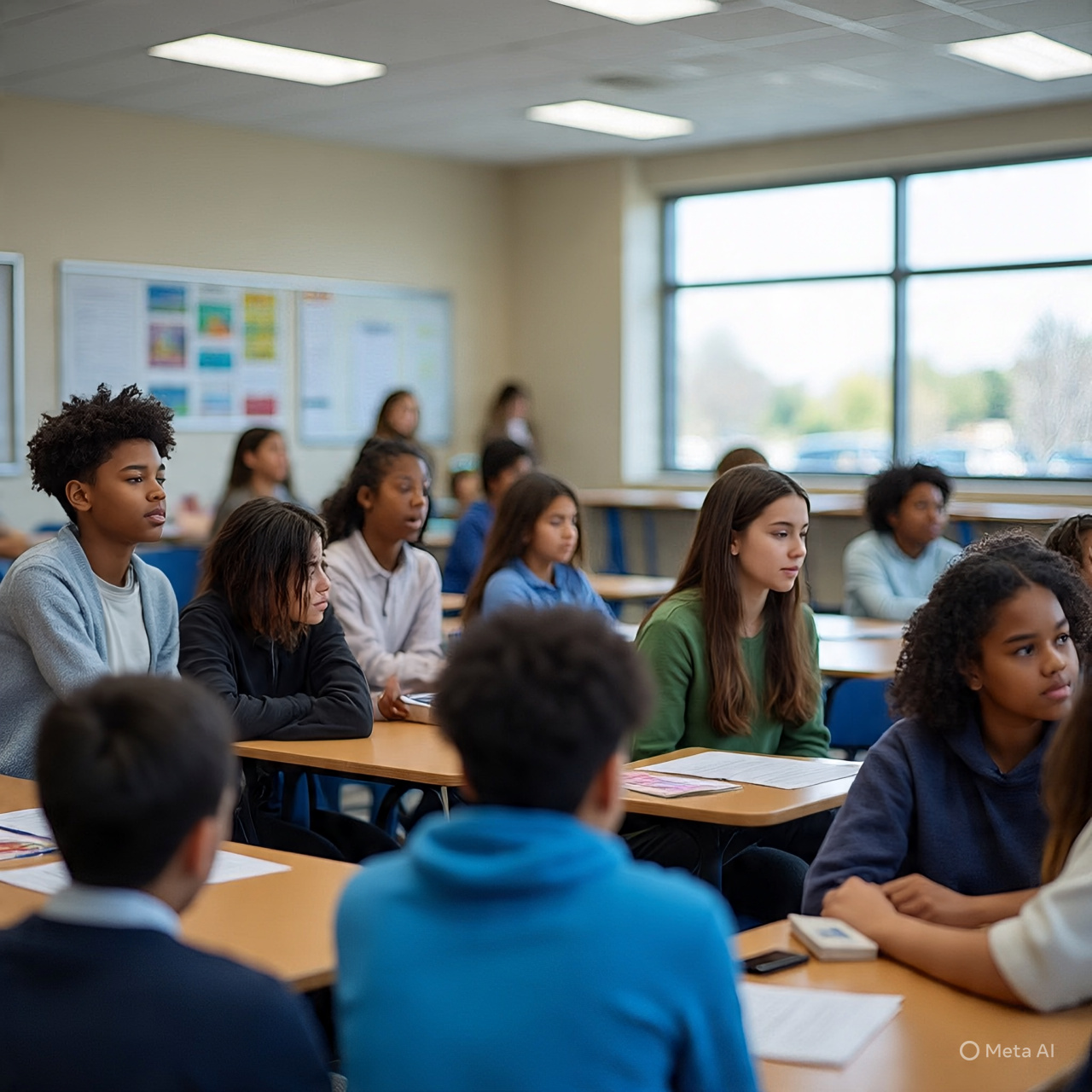
COVID-19 and Health Measures in Schools
The problems were instant with online bullying, ergonomic issues in the home environment, and screen burnout.
The COVID-19 pandemic changed the way schools think of health and safety, with hygiene and infection control becoming their highest priority.
That way, teachers will be persuaded that being safe does not mean being a kill-joy, but being responsible about it..
Hand washing and classroom sanitizers became a routine practice as well as increased cleaning routines. Touchable surfaces such as doorknobs, desks, and playground equipment had to be disinfected on a regular basis. Good respiratory hygiene was also encouraged in schools, children were taught to catch it, bin it, kill it when they sneezed or coughed.
The Health and Safety Executive (HSE) and their role in Schools.
Scheduling was reorganized to provide more space in the classroom during peak restrictions, to de-crowd schedules, and out-of-doors learning became popular. Although strict distancing is no longer in use, a large portion of these practices comes in handy managing flu seasons or other outbreaks.
Online Security.
As schools went online, there were new safety issues. With this kind of resources it can be ensured that the schools are kept in check without making the process too complex. There was a need for teachers to find the balance between the educational requirements and the digital wellbeing through promoting screen breaks, teaching online safety, and helping students with isolation issues.
COVID-19 showed schools that health and safety is never fixed; it changes according to the challenges of the day. The pandemic experience is bound to affect school policy in the years to come.
Instructional Resources and Documents.
The Health and Safety Executive (HSE) is a key player in making sure that schools are fulfilling their roles.
HSE Inspections and Enforcement
As much as schools may be expected to take charge of self-regulation, the HSE has the power to inspect, investigate and enforce. Inspections can be requested due to accidents, complaints or a random check. Any non-compliance may lead to warnings, or improvement notices and possibly prosecution.
It is important to note that HSE is more primarily supportive rather than disciplinary.
The HSE have offered some useful and simple to follow guidelines to schools. These reports discuss all the aspects including risk assessment and coping stress in education. Mod schools: Technology and health and safety.
Assisting Schools with Compliance.
Online predators – An unprotected child is at risk of improper contact unless protection measures are enacted. They want to assist schools to find the right balance that will not place children at risk while at the same time limiting activities too much. Internet security and hackers.
In other words, the HSE is a regulator and partner in one, working towards ensuring safer, healthier spaces in schools to benefit everyone.
As a student, you need to know how to be aware of any suspicious behavior, how to protect your personal information and what to do so that you report what is happening as fast as possible.
Technology is so much integrated into the education, it has changed the way the lessons are delivered, the way the students communicate with other students. However, along with this change come new health and safety issues that schools have to deal with.
Solutions to these problems in schools include firewalls, monitoring programs, and digital literacy.
Online, one of the greatest risks in schools is not in the playground. As tablets, laptops, and smartphones gain their place in education, cyber safety has become an important component of health and safety policies. Students in schools should not be exposed to:
- Cyberbullying – Cyberbullying may involve harassment and bullying outside of the classroom using social media and messaging apps.
- Even comparably minor modifications, such as the screens being kept at eye-level, can contribute significantly to the fact that the experience can be made far more comfortable and no long-term health consequences can be observed.
- Exposure to inappropriate content – students may be exposed to content or websites that are not age appropriate without appropriate filters.
- Encourage taking regular screen breaks (e.g. the 20-20-20 rule of eye care). In explicating, an incident in which learners were injured after using a faulty Bunsen burner demonstrated the importance of inspection and regulation of equipment in the laboratory.
Ergonomics in Computer Use
Prolonged use of digital devices may also cause health problems at the physical level. Back pain, headaches, and eye strain can be a result of poor posture, spending lots of time in front of the screen, and not using appropriate desks or chairs. Schools should:
- Offer comfortable seating and well adjusted desks.
- The schools already have effective anti-bullying policies, which should include online bullying.
- The train students in correct typing posture and how to use the device.
- Training of teachers to notice possible danger.
Dealing with Cyber Bullying and Cyber Harassment.
Cyberbullying is also worse than traditional bullying since it can accompany children home, mostly behind closed doors. Strong cooperation with parents to monitor the use of the internet. This includes:
- Promoting students to report when they or someone else is the target.
- Schools could create a safer healthier digital age learning environment with the same seriousness that playground safety is approached.
- Other societies held safety week events and students took part in interactive fire safety, road safety and online security programmes.
- Each incident acts as a reminder that even small violations will lead to serious consequences.

Health and Safety case studies of schools.
Real-life examples can teach useful lessons about what schools can do to be safer and prevent them from committing similar errors.
Lessons from Past Incidents
Schools have had severe safety incidents, such as fires and laboratory accidents, over the years. However there were also those that provided peer mentoring models where older students provided advice to younger ones about safe practices and regulations seemed more familiar. Playground accidents caused by faulty equipment, likewise, have helped highlight the need to ensure regular inspection. Future and Problems School Safety.
Successful Safety Programs
On the positive note, most schools have offered new programs that have made a great impact on improving safety. Information on Protective procedures (modern fire systems or even ergonomic chairs) demand financial expenditures.. Budget constraints are one of the largest problems.
How Schools Improved Compliance
Many formerly unsafe schools have gotten safer by making small but steady steps:
- Performing risk assessment more often.
- Giving staff refresher training.
- Engaging parents in discussions of safety.
- Forming health and safety committees and representing the students.
The following case studies show that commitment and cooperation can help schools improve their safety records and build trust among their staff, students, and parents.
Regulations and inspections are not the future of school safety, but building communities where everyone is expected to keep the safety in their own hands.
Even though this has improved, schools continue to experience a lot of difficulty in upholding high levels of safety.
Lack of Funding and Resources.
Trying to reconcile financial reality on the one hand, and the necessity to provide guarantees of protection of students, on the other hand, is difficult. Adopting New Risks and Technologies. Sadly, most schools are on a very tight budget and they have to put emphasis on the immediate needs of education rather than a safety upgrade. Safety should not be a tick box or a one-off policy but should be embedded in the day-to-day life of the school.
It means creating a culture of safety among employees, learners, and parents, engaging in learning and growth rather than responsibilities.
Risks increase along with technological advances. There are new safety concerns associated with virtual learning, artificial intelligence tools, and increased online activity. Schools need to regularly update their policies to include all existing hazards, but also digital risks, mental health challenges and new health risks.
Building a Culture of Safety
The biggest challenge is probably cultural one. At home, parents can strengthen school safety, deliver equipment, teach about health needs, and safety discuss with teachers and staff in their assistance of safety. Schools owe an enormous responsibility not only to the students but also to the staff; to guard the students, to watch over their conduct on playgrounds and to teddy them in their psychological health. Successful schools in this respect tend to incorporate lessons on safety into the program, so children are second nature when thinking about wellbeing as well as academics.
Conclusion
Health and safety at school does not just mean being able to comply with the law and regulations but being able to offer the children a chance to learn, play and develop without any unnecessary risk. The last responsibility lies with the employer of the school, whether a local authority, academy trust and governing body.
The Health and Safety Executive (HSE) is also crucial as it offers concrete and understandable guidance and helps keep schools accountable. However, it is what is going on inside the school that provides the best safety-when the school is staffed, students educated and parents consulted.
In these times and age of ever changing risks, schools should always be proactive, adaptable and dedicated to a culture of safety. Since with safety comes learning and schools become not only educational establishments, but safe and welcoming to everyone.
FAQs
What is the role of the Health and Safety Executive in schools?
The HSE offers information, advice and supervision to make sure schools adhere to health and safety legislation. They also carry out inspections and are able to take action when the schools do not conform as required.
Who has a responsibility in terms of health and safety in schools?
Well-known hazards include falls and slips, accidents in the playground, laboratory accidents, fire hazards and digital dangers such as cyber bullying or online predators. The duty to ensure safety is also shared by staff, headteachers and even students.
What is an appropriate frequency of risk assessment in schools?
Common hazards include slips and falls, playground accidents, laboratory accidents, fire risk and cyber hazards such as cyber bullying or cyber predators. Schools should at least review them once annually.
What are school safety hazards?
Parents may support school safety at home, provide equipment, educate about health requirements and participate in safety discussions with teachers and school staff in their support of school safety.
What are some of the ways parents can help make schools safe?
In their support of safety, parents can reinforce school safety at home, ensure equipment is in place, inform about health needs, and attend to safety deliberations with teachers and staff.