
Introduction to the Division of Health Sciences
Health sciences represent one of the most vibrant as well as the fastest growing branches of study; it involves a large variety of disciplines directly relating to the well-being of human beings. The Division of Health Sciences is concerned with the theory of understanding health, prevention of illness, and enhancing life quality of people and the community. In contrast to most academic fields, which are limited to theory, the health sciences provide the interface between knowledge and practice by putting the results of scientific inquiry into actual medical care requirements.
We do not mean doctors and hospitals only when we are speaking about health sciences. The discipline is far broader, including such areas as nursing, public health, nutrition, pharmacy, psychology, and even newer ones such as the digital health. The combined that they form is geared towards making the society healthier as they target prevention, treatment, and long-term health care approaches.
In the recent years, the significance of health sciences has never been as evident. The COVID-19 pandemic accentuated the importance of medical workers, scientists, and health professionals in the overall crisis management worldwide. It showed the close interdependence of our health systems and how health-related innovations can save millions of lives.
Finally, the Division of Health Sciences is not only an academic unit, it is a moving machine of positive change in the society. This division is crucial in determining the future of the global health by training future healthcare workers, carrying out some of the most impactful research, and shaping the health policies.
Knowledge of the role of health sciences.
The scope of health sciences is not only treating diseases, but also deals with all areas of human health- prevention to rehabilitation. Health science role can be divided into three fundamental sectors education, research and practice. Academically, colleges and universities provide courses that prepare students to be professionals in any of the health careers. Such programs guarantee workforce is highly equipped to handle the constantly evolving requirements of the healthcare.
Research wise, health sciences focus on discovering the causes of illnesses, cure new diseases, as well as to enhance the current healthcare processes. Medical research has, as an example, resulted in saving life through vaccines, new surgical methods, and better medicines. And the opposite happens, with public health research concentrating on disease trends within the population and strategies that are put in place to prevent outbreaks.
Practically, health sciences offer the much needed services via hospitals, clinics, rehabilitation facilities and community outreach services. Nurses are with patients on 24/7 basis, physical therapists assist individuals to walk again, pharmacists ensure that patients use medications safely, and public health practitioners inform communities about healthier living.
Health sciences also play the role of policy-making and leadership. Healthcare workers with this qualification can usually be a source of healthcare policy formulation, the reduction of health disparities, and the sustainability and accessibility of health care systems. This means that health sciences have a two-fold role, to tend to individuals and enhance the health of whole societies.
Why Health Sciences Matter in Modern Society
It is impossible to overestimate the role of health sciences in the contemporary society. As the life expectancy is increasing, the rates of chronic diseases grow, and global health threats pose a threat, there has never been a time when the demand to have skilled healthcare professionals and effective health systems is higher than it is now. Health sciences are important since they have direct influence on the quality of our lives.
Consider it: since the time we are born until our final days, health sciences mould our course. Vaccinations save babies, nutrition science promotes healthy growth and medical research enhances cures to age related diseases. In the absence of health sciences even such basic ailments as infections could still be deadly, as they were prior to the development of antibiotics.
Besides, health sciences deal with the health crises of the population, like pandemics, impacts of climate change on health, and increasing number of lifestyle-related diseases, including diabetes and heart disease. They also pay attention to the mental illness, which has acquired world popularity in the last few years. Health sciences offer the holistic approach to health care by combining the physical, mental and social well being.
Health sciences on a larger scale are a contributor to the growth of the economy. A healthy population is healthier, more innovative and able to steer the social and economic development. Healthier societies equate to stronger countries, and that is why the governments and other institutions invest a lot in health sciences.
Fundamentally, the Division of Health Sciences will not only be important since it will save lives but also enhance the quality of the lives of people. It is about empowering individuals to live longer, healthier and more fulfilling lives and making it so that no one is left behind in getting healthcare.

Historical Background of Health Sciences
History of health sciences has as many interesting parts as it has a long history. Since time immemorial, man has been trying to find answers to questions in regard to sickness, healing and mysteries of the human body. The first health sciences could be traced to ancient civilization. The Egyptians were practicing primitive surgery and herbal medicine, Greeks such as Hippocrates were a pioneer in medical ethics and Chinese traditional medicine was about balance and whole body health.
In the Middle Ages, medical science was neglected as there was not much exploration of the sciences, but the Renaissance brought medicine back to its feet with the advancements in the field of anatomy and physiology. The scientific breakthrough of the microscope in the 17 th century transformed how we learn about microorganisms and the foundation of microbiology. In the 19 th century, the germ theory, anesthesia, and vaccines were developed leading to the rapid development of health sciences.
Health sciences became more interdiscipline in the 20 th and 21 st centuries. Nursing had become a professional field that was respected, the growth of state health care and the invention of antibiotics and new surgical methods changed the health care of the world. The newest digital revolution has presented telemedicine, AI-based diagnostics, and precision medicine, which have further transformed the sphere.
The history of the development of the health sciences indicates one major fact: the issue of human health has always been the focus of civilization. The growth of knowledge led to the increase in life expectancy and quality of care. The Division of Health Sciences today has this great history, and it is ready to face the challenges of the future with its historical deep root in centuries of discoveries.
Evolution of Health Sciences as an Academic Discipline
The discipline of health sciences did not appear as the academic field within a day. Medicine used to be taught in the old centuries with the domain of medicine being taught by apprenticeships where future doctors were taught by accomplished practitioners. It was noted however, with the increase in the science that the healthcare needed an organized education and research.
This was a shift in the 19 th century whereby medical schools and universities were founded to give specialized courses. Nursing too emerged as an academic discipline courtesy to the efforts of the greatest nurses such as Florence Nightingale who both stressed that the field must be scientific and caring. In the 20 th century, universities started to add health sciences to medicine, and divisions or faculties of public health, pharmacy, allied health professions, and others, began to emerge.
The health sciences have become one of the most demanded academic programs in the world today. The degree programs that are provided in universities incorporate laboratory work, clinical practice, and classroom education. Not only do they acquire theoretical knowledge, but students can also have a real-life experience with internships and placements in hospitals. This mix makes graduates well prepared to meet the real world healthcare challenges.
Furthermore, health sciences as an academic discipline embrace interdisciplinary collaboration. Students can pursue biology, with psychology or nursing, and prepare them to work more holistically in healthcare. This is the truth of the present-day medicine where specialists in various disciplines should cooperate to achieve the most positive results with patients.
The history of the academic development of health sciences demonstrates how much we have evolved since informal apprenticeships to highly specialized programs that are research-driven. It underscores the role of formal learning in the creation of professional workers who do not only cure but also prevent diseases, enhance health systems and promote medical enlightenment.
Major Branches of Health Sciences
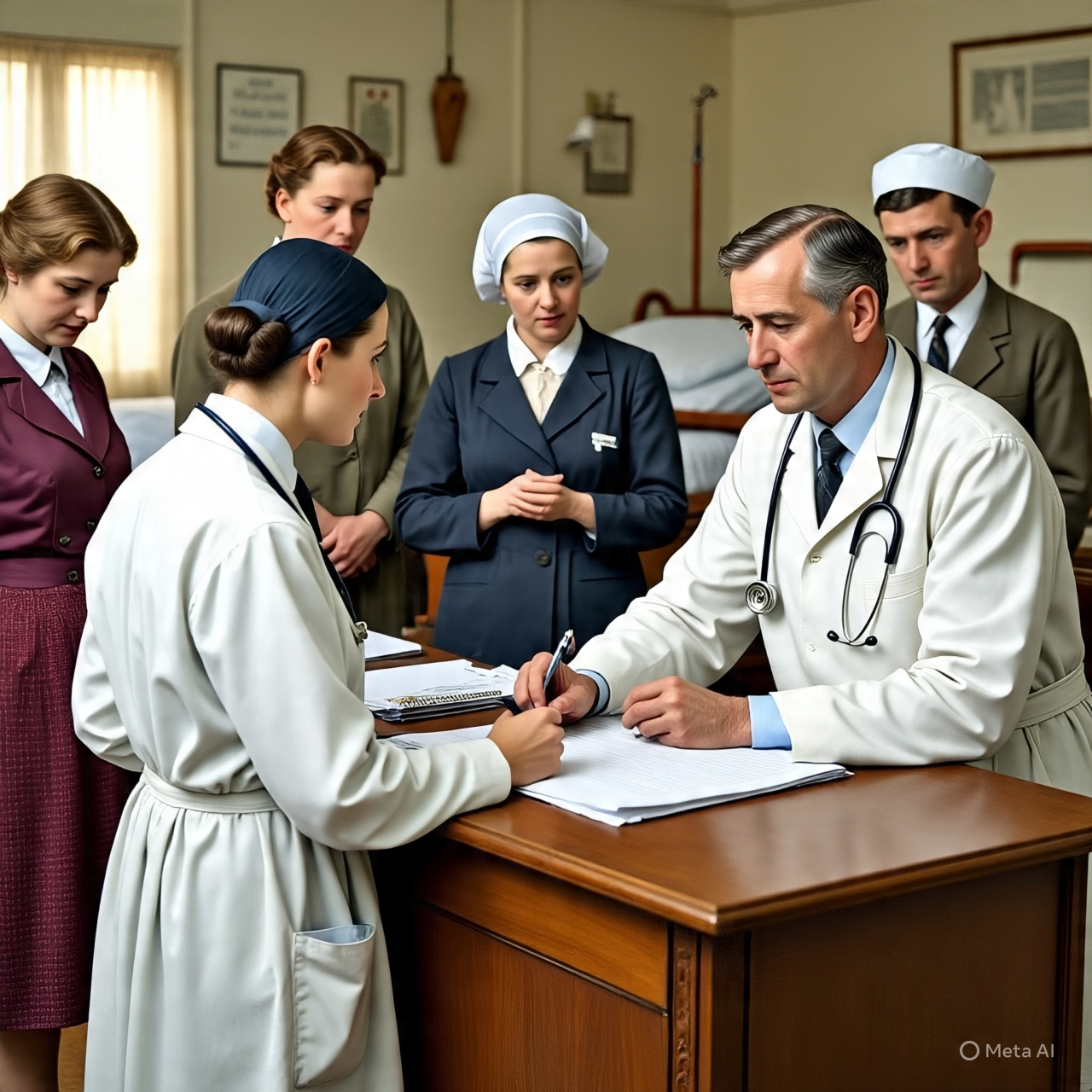
Division of Health Sciences is a big entity as it comprises diversified disciplines all geared towards the enhancement of human health. Every branch has something to offer to the healthcare system be it direct care of the patient or prevention or scientific research. The knowledge of these branches allows us to appreciate the fact that the field is diverse and interconnected.
Health sciences may be divided into few fundamental areas such as medicine, nursing, public health, pharmacy and allied health professions. All these branches demand special training, special skills and a sense of responsibility to the welfare of the patient. We will discuss each one of them in detail.
Medicine and Clinical Practice
Probably the most familiar field of health sciences is medicine. Surgeons, physicians, and specialists spend years of training to treat, diagnose and prevent diseases. Clinical practice extends beyond the prescriptions of drugs or the surgery and includes creating a relationship of trust with patients, making a correct diagnosis and offering a whole person treatment.
There are several specialties in modern medicine, which include cardiology, neurology, pediatrics, oncology, and so on. This specialty enables physicians to elaborate on specific fields of health. As an illustration, oncologists will commit their time to combating cancer and pediatricians will see to the well-being of their children.
The peculiarity of medicine is always its development. Health care providers need to keep abreast of current research, treatment guidelines and technology. The fact that evidence-based medicine has risen, means that physicians draw on scientific information and not customary practices. Imaging technologies, robot surgeries, and personalized medicine are some of the tools that transform the practice of doctors today.
Stated briefly, medicine and clinical practice are the main pillars of health sciences. Whereas other branches play vital roles, doctors tend to be at the forefront of dealing with patients, organizing interventions and making sure that health care systems operate properly.
Nursing and Patient Care
Nursing is the heart of healthcare, and medicine the brain. The role of nurses cannot be replaced because they can not only provide medical help to their patients, but also emotional support. Because the nurses spend a lot of time with the patient, unlike the physicians who might spend less time with them, they are the ones who would see the patient and keep track of their progress and comfort.
Nursing by itself has changed greatly within the last century. It was considered as a supportive profession but nowadays it is an independent and a very respected profession. Specialization in nursing is done in critical care, pediatrics, midwifery, community health and advanced practice nursing. In most countries, nurse practitioners are able to diagnose diseases, prescribe drugs and treat patients on their own.
Patient care is more than meeting physical treatment- it entails empathy, communication and advocacy. Nurses can be the point of contact between doctors and patients making sure that patients get informed about their diagnoses and treatment regimens. They also support superior healthcare policies and community health courses.
Nursing education in the contemporary world has focused on theory and practice to equip nurses with leadership in the healthcare sector. Nursing is one of the most important supporting areas of health sciences whether in hospitals, schools or communities.
Public Health and Epidemiology
Public health is a more expansive approach to healthcare in that it does not give attention to patients but to populations. It focuses on prevention, education, and making of policies to decrease the load of diseases and to adopt healthier lifestyles.
Epidemiology, a key subfield of public health, studies the patterns, causes, and effects of diseases in populations. Epidemiologists create data analysis in order to determine the outbreaks, risk factors, and intervention measures. To use a specific example, in the COVID-19 pandemic, epidemiologists were instrumental in monitoring the level of infection, creating safety measures and providing governments with advice on policy-making.
Another area that the professionals of public health are engaged in is regarding sanitation, vaccination, chronic disease prevention, and tackling the issue of health disparities. They participate in health promotion including physical activities, proper diets and quitting smoking. Compared to clinical medicine, which is concerned with the treatment of individuals, the goal of the public health is to stop the illness before it develops.
In the end, it is taught by public health and epidemiology that being healthy is not a one-on-one only problem, but is a societal concern. Our efforts to enhance the health systems in the population enhance the living standards of whole communities.
Pharmacy and Pharmacology
Another necessary area of health science regarding the safe and effective use of medications is pharmacy. Pharmacists are specialists in drug treatment, so it is their duty to make sure that patients are getting the right dose, know drug side effects, and prevent drug interactions that are harmful.
The scientific study of drugs and their effects on the body, which is called pharmacology, facilitates this practice through creation of new drugs and enhancement of the existing ones. The research in pharmaceuticals has provided life changing drugs, starting with the discovery of antibiotics to the treatment of cancer and has been pushing the limits of medicine.
Pharmacists are not merely counter workers, participants in hospitals, clinics, research laboratories, and even on health campaigns. There is also a portion of the regions where they are permitted to administer vaccinations, to treat chronic diseases, and to teach patients preventive measures.
Pharmacists are gaining more importance with the emergence of personalized medicine. They assist in the individualization of treatments according to genetic profiles with the greatest effect and minimal adverse effects. In this way, pharmacy bridges science and patient care in a powerful way.
Allied Health Professions
Allied health professions are a diverse group, who usually work in the background but are very crucial to healthcare systems. Physical therapists, occupational therapists, radiographers, speech therapists, medical laboratory scientists among others are found under this branch.
Occupational therapists are instructing patients on how to live and adapt to disabilities, whereas physical therapists assist recovery of limb movement in patients who suffered injuries. Radiographers work with imaging modalities such as X-rays and MRIs which enable physicians to diagnose a disease correctly. Medical laboratory scientists study blood and tissues among other samples in order to identify diseases at an early stage.
These jobs might not receive equal attention as that of doctors or nurses yet without them, the health sector would not operate as intended. They offer the professional skills that aid in the diagnosis, treatment and rehabilitation.
Simply put allied health professionals are the unsung heroes of health sciences. They introduce technical expertise, care and inventions into the healthcare system, which ensures that patients are given holistic care.
Educational Pathways in Health Sciences
The Division of Health Sciences is not simply practice alone- it is also education. In order to maintain a good healthcare system, there must be professionals who are well trained in all fields of health sciences. The educational pathways differ according to the area of study, but they are mostly structured into an undergraduate to postgraduate education with the assistive training.
Health sciences are special education in the sense that they combine theory, research and practice. Learners do not learn only in books, they do it in laboratories, hospitals, and the society, putting into practice, what they have learnt in real life situations. This will see them not only graduate but also competent and confident in their skills.
Undergraduate Programs in Health Sciences
An undergraduate course work is the stepping stone to a career in the health sciences. Students have the option of a myriad of degrees which include Bachelor of Medicine, Bachelor of Nursing, Bachelor of Public Health or Bachelor of Pharmacy.
Typically, such programs include some combination of general education (biology, chemistry, psychology) and professional training (clinical skills, research methods, ethics). Most of them also incorporate internships or clinical rotations where students get the experience in the real world under the supervision.
The most exciting thing about undergraduate programs is that there is exposure of various disciplines. An example is that a student of public health might study epidemiology, biostatistics and health promotion, whereas a student of nursing is taught both technical processes and communication with patients. Such an interdisciplinary strategy allows graduates to have a balanced knowledge of healthcare.
When they attain their undergraduate degrees, students are set up to undertake low level jobs in the healthcare sector or continue with postgraduate education to specialize.
Graduate and Postgraduate Opportunities
Students in the Division of Health Sciences are encouraged to take graduate and postgraduate studies after successful completion of undergraduate studies. The stage will open to the gateway of high-order knowledge, expertise and leadership within the healthcare field. Graduate programs enable students to sharpen their knowledge, postgraduate studies equip them to conduct research, teach or engage in high professional practice.
One of the most common avenues is the master’s degrees. As an example, an MPH equips students with skills to address international health issues, concentrating on epidemiology, biostatistics, and health policy. Likewise, a Master of Science in Nursing (MSN) would allow nurses to focus on such specialties as family practice, midwifery, or anesthesia. Graduates of pharmacy may choose to undertake post-graduate clinical pharmacy programs and medical professionals may choose to train in specific residencies.
The opportunities become even larger at the doctoral level. A Ph.D in Health Sciences is a degree focused on original research to add to the knowledge base. Such graduates usually become researchers, faculty of higher education institutions, or policy-makers. Clinical doctorates, such as the Doctor of Medicine (MD) or Doctor of Physical Therapy (DPT), focus more on practice and patient care.
Leadership is also fostered by graduate and post graduate programs. Combined programs are available in many universities where management and health sciences are mixed and the graduates are equipped to work as hospital administrators, policy makers or global health consultants.
Simply put, post-graduate qualifications in health sciences do not only enhance the level of competence, but also enable health care practitioners to influence the future of the health care industry. These graduates become innovative and progressive, whether it is through pioneering research or leading clinical care or health internationally.
Research and Innovation in Health Sciences
Health sciences are blooded with research. The absence of it would paralyze medicine, nursing, pharmacy, and public health. Innovation and research stretch the limits of the possible, transforming the wonders of science into treatments that save lives and preventive measures.
Health sciences research has one of the most remarkable features in its diversity. On the one hand, biomedical researchers investigate cellular processes, genetics and molecular biology to find out the reasons of diseases. Conversely, researchers in the field of public health work with vast groups of people in order to comprehend the risk factors and enhance the health outcomes. All these combine to bridge the gap between the laboratory research and practice.
Innovation has even changed the manner in which we undertake healthcare. Medicine has been transformed with the use of technologies such as 3D printing of organs, artificial intelligence in diagnostics, as well as the use of gene-editing tools such as CRISPR. Personalized medicine in pharmacy is a drug therapy that is customized to individuals according to their genetic make-up. Simulation based training in nursing helps prepare students to deal with high pressure situations without endangering patient safety.
Universities and research companies under the Division of Health Sciences are vital in the development of this innovation. They offer resources, mentoring and working conditions, which promote breakthroughs. Collaborations with industries, hospitals and governments are what make sure that discoveries are not just left in the books of academia but are applied in the real world.
Finally, research and innovation ensure that health sciences remain alive and dynamic and future-oriented. All our vaccines, surgical procedures, or health policies as a society are the result of untiring scientific research and imagination.
Core Disciplines within Health Sciences
Although health sciences have numerous sub-fields, there are some fundamental ones that are the mainstays of the discipline. These sciences form the bases of understanding, preventive and therapeutic measures of human diseases. In discussing them individually, we are able to understand their interplay in developing a holistic approach towards healthcare.
Biomedical Sciences
Medical research and medical care are biomedical grounded. It is the study of the biology of diseases at cellular and molecular scale. It covers discipline such as anatomy, physiology, genetics, immunology, and pathology.
Biomedical scientists tend to work in laboratories where they carry out experiments which reveal the development and progression of diseases. Their work assists physicians to make a better diagnosis and come up with new forms of treatment. Examples include the use of genetics in the treatment and personalized medicine of cancer, and the use of immunology in creating vaccinated immunotherapy against infectious disease.
This profession does not necessarily have to deal with direct patient care, but the effect of it is gigantic. Clinical medicine would be without the knowledge that helps in understanding and fighting diseases without the assistance of biomedical sciences. Curiosity is turned into cures by its discipline.
Nutrition and Dietetics
Nutrition is not a mere act of eating well, it is a science, which is at the center of health promotion and disease prevention. Dietitians and nutritionists are the professionals who examine the impact of food on the body and assist people and groups in making choices that are healthier.
This science focuses on such world-wide problems as obesity, malnutrition, diabetes, and heart disease. Nutritionists are employed at hospitals, schools, research facilities and even corporate wellness. They develop the meal plans of patients, carry out mass health education, and participate in food safety and nutrition labeling policy.
Nutrition and dietetics are so important as it is preventive in nature. Whereas medicine tends to treat disease, nutrition tends to prevent it at its onset. As an example, educating the population on healthy eating and lifestyle modification can greatly decrease the risk of eating disorders.
With ongoing increase in awareness on healthy living, nutrition and dietetics are becoming inseparable in designing healthier societies.
Physical Therapy and Rehabilitation
Surgeries, injuries, and chronic conditions usually leave the patient with impaired mobility and strength. Physical therapy and rehabilitation come in there. This field assists one to regain functionality, independence and enhance their quality of life.
Exercises, manual therapy and the use of equipment helps in recovery in the hands of physical therapists. It is not just physical injuries: rehabilitation can be applied to neurological impairments such as stroke or Parkinson disease. With close collaboration with patients, therapists do not only treat symptoms; they educate patients on long-term measures to avoid future complications.
Rehabilitation science also focuses on the psychological and social recovery. The patients usually require support and mentoring to change their new lifestyles. Physical therapists are the encouragers, who make patients remain loyal to their treatment process.
This field brings an essential fact into health sciences: survival is not the ultimate goal of healthcare it is living after sickness or trauma, living a full and independent life.
Mental Health and Psychology
Mental health is finally getting the consideration that it warrants in health sciences. It has long been stigmatized or forgotten but today it is seen as an important component of general health.
Psychologists, psychiatrists, and mental health professionals examine human behaviors, emotions and thoughts. They assist people in overcoming stress, anxiety, depression and even more serious mental problems. Some of the numerous tools that help mental health include therapy, counseling, and medication management.
It is not just an individual care field. Another area of concern in public health would be lessening the stigma, enhancing mental health, and better service access. Mental health programs are now incorporated into schools, the workplace and communities to achieve holistic well being.
The emergence of mental health consciousness indicates that health sciences is no longer associated with the treatment of the body alone- it is the treatment of the mind as well. The Division of Health Sciences has realized this and continues to widen research, education and practice in psychology and mental health care.

The Importance of Interdisciplinary Collaboration
The fact that it is an interdisciplinary Division is one of the most amazing things about the Division of Health Sciences. All health issues cannot be resolved by one professional or discipline. Rather, cooperation between medicine, nursing, pharmacy, public health and allied health professions will see to it that patients are given a holistic care.
As a case study, the treatment of a patient with diabetes can presuppose a physician who controls the medical treatment, a nurse who controls the everyday care, a dietist who plans meals and a psychologist who helps maintain emotional health. Every professional has his or her own skill, and they make a strong healthcare team.
The use of technology promotes collaboration as well. Electronic health records enable patients to enable various specialists to get access to the information about the patient freely. Telemedicine allows consultation between more than two professionals. The joint research between industries, universities, and hospitals results in the development of new ways of solving health issues worldwide.
The future of healthcare is this teamwork spirit. The Division of Health Sciences does not only equip students with the skills to be the best professionals in their respective areas but also to work efficiently as a team since they are able to combine disciplines.
Integration Between Medicine, Nursing, and Public Health
On taking a larger perspective of healthcare, it will be evident that the three fields of medicine, nursing, and public health are closely interrelated. All the disciplines are focused in their own way, and they are combined to create the foundation of successful healthcare provision. By incorporating these areas, the patient does not just get an intervention but gains prevention, education and long-term care.
Take the case of a heart disease patient. A physician can prescribe a drug and suggest an operation should it be needed. A nurse will offer constant monitoring, and a patient will be guided by treatment instructions and emotional support to help him/her recover. In the meantime, health workers in the community are involved in more general interventions against heart diseases in the general population, including education on healthy nutrition and physical workouts. The combination of these disciplines is an advantage to the patients who receive both personalized care and prevention at the population level.
This assimilation is also crucial during health emergencies in the public. During a pandemic, doctors provide treatment to patients with the disease, nurses provide 24-hour care, and health experts control the testing, immunization, and safety regulations. Lack of integration would turn healthcare systems into a fragmented system that underserves patients and exposes communities to vulnerabilities.
This collaboration is promoted in educational institutions of the Division of Health Sciences. Learners are advised to engage in interprofessional projects and clinical placements, which would equip them with teamwork in the real world. The bottom line is that healthcare is most effective when it functions as an orchestra where every professional contributes his/her role in sync with others.
The way Technology can improve Collaboration.
Technology has revolutionized how the professionals of health sciences interact. The previous communication between the doctors, nurses and the public health experts was usually based on paper work and long time delays. In the current world, information traverses more disciplines and more precisely due to the digital innovations.
Electronic Health Records (EHRs) enable healthcare providers to retrieve patient information on-demand. The documents of a nurse can be reviewed by a doctor, medication histories by a pharmacist, and patterns of illness among populations by a public health official- all using the same system. This smooth sharing minimizes errors, enhances efficiency and leads to improved results with patients.
Telemedicine has also increased cooperation through the geographical limitations. Experts can remotely consult on cases, patients in rural areas can receive expert care and health agencies can organize responses in large regions. Telemedicine was crucial during the COVID-19 pandemic as a tool to connect professionals and to continue care.
Collaboration is also being transformed by other technologies such as AI-based diagnostics, wearable health sensors, and big data analytics. As an example, AI can be used to point out anomalous test results, notifying both physicians and nurses, and wearable devices give constant patient data that can be analyzed by public health researchers in identifying emerging trends.
Technology does not take away the human touch in healthcare- but it helps in making collaboration more efficient, precise, and impactful. The adoption of digital tools will help the Division of Health Sciences not only to make sure that the professionals are not only talented in their respective fields but also proficient in collaborating in a technologically-oriented healthcare setting.

Research and Development in Health Sciences
The driving forces of the health sciences are research and development (R&D). The field would stagnate without a constant exploration of the field using old treatments and methods. R&D can be relied on to make sure that healthcare keeps up with societal needs, both in the present and in the future.
Medical research has resulted in the paradigm shift of medical discoveries, such as antibiotics and vaccinations, and hi-tech imaging systems such as MRI and CT scans. Informatic medicine R&D is currently working in the less traditional fields of stem cell therapy, nanomedicine, and robot-assisted surgery. Not only do each breakthrough improve treatment options and extend survival rates and quality of life, but also improve them.
R&D has enhanced patient safety and care provision in the field of nursing. Research on managing the infection control, communication with patients and pain management have already revolutionized nursing practice globally. Meanwhile, research in public health is concerned with interventions at the population level, risk-factors identification, and the development of preventive actions that save millions of lives.
Cooperation between universities and research institutions and industries is a crucial part of speeding up innovations. Numerous health science divisions collaborate with pharmaceutical firms, biotech firms, and government agencies to bring discoveries in the lab to the bedside. International organization funds also make sure that research is done to meet global health needs; whether fighting malaria in Africa or the fight against obesity in the developed world.
Fundamentally, R&D makes the health sciences dynamic and responsive. All new treatments, vaccinations, or policies that make people live better are the outcomes of years of years–even decades of research and work.
Breakthroughs in Medical Research
Medical research has created uncountable advances that have altered the destiny of mankind. Since the evasion of small pox to the creation of organ transplants, these are the achievements that show the transformative nature of science.
The invention of vaccines has been among the greatest innovations of the century. Plagues such as polio, measles and influenza used to kill millions of people every year. Most of these diseases have been stopped by vaccines and in certain instances, virtually eliminated. The fast development of COVID-19 vaccines also exemplified the potential of the contemporary research in cases where the world has come together and technology has been on its side.
The other breakthrough is antibiotics. In the days before penicillin was found in 1928, those with simple infections were often fatal. Antibiotics were a miracle to medicine because previously fatal diseases were now curable. Equally, the development of surgical procedures, including minimally invasive and robotic-assisted surgical procedures has constituted a radical decrease in recovery time and risk.
Another frontier is research in genomics. Research into the human genome will make it possible to find genetic predispositions to disease so that personalized medicine can be developed. Cancer therapy, rare genetic disease therapeutics and chronic disease management are getting more specific and efficient.
Such innovations are here to remind us that health sciences do not stand still, they are ever-evolving. Every such discovery is based on decades of preceding research, and it is bringing a future where health care will become more efficient, optimized, and more affordable.
Impact of Biotechnology and Genomics
Biotechnology and genomics is transforming health sciences in a manner that would have been inconceivable few decades ago. These disciplines integrate technology with data and biology to come up with novel solutions to the diagnosis, treatment, and prevention of diseases.
Biotechnology has transformed the development of drugs. The researchers now avoid the use of chemical compounds and use living organisms and biologic systems to develop sophisticated therapies. Examples of these include Monoclonal antibodies, which have revolutionized the treatment of cancer and biotechnology-engineered vaccines that saved millions of people against harmful viruses.
The science of genes and their roles (genomics) has led to the possibilities of personalized medicine. Through the study of the genetic code of a human being, physicians are able to predict predisposition to some diseases and tailor medication. As an illustration, through genetic testing, the patient can be known to be responsive to certain drugs, hence their effectiveness can be minimized by ensuring that adverse effects are minimized.
These improvements do not only pertain to treatment. Genomics can also be useful in prevention and identifying people at high risk of developing such conditions as diabetes or heart disease enables early lifestyle adjustments. Regenerative medicine also has biotechnology uses, such as tissue engineering and stem cell therapy, which could eventual enable us to culture replacement organs in the laboratory.
Naturally, these inventions bring ethical issues of privacy, genetic engineering and accessibility. Nevertheless, one cannot refute the fact that they can revolutionize healthcare. The Division of Health Sciences is still blending biotechnology and genomics into education, research and practice, so that future professionals will be ready to use these potent tools.
Global Health and Policy in Health Sciences
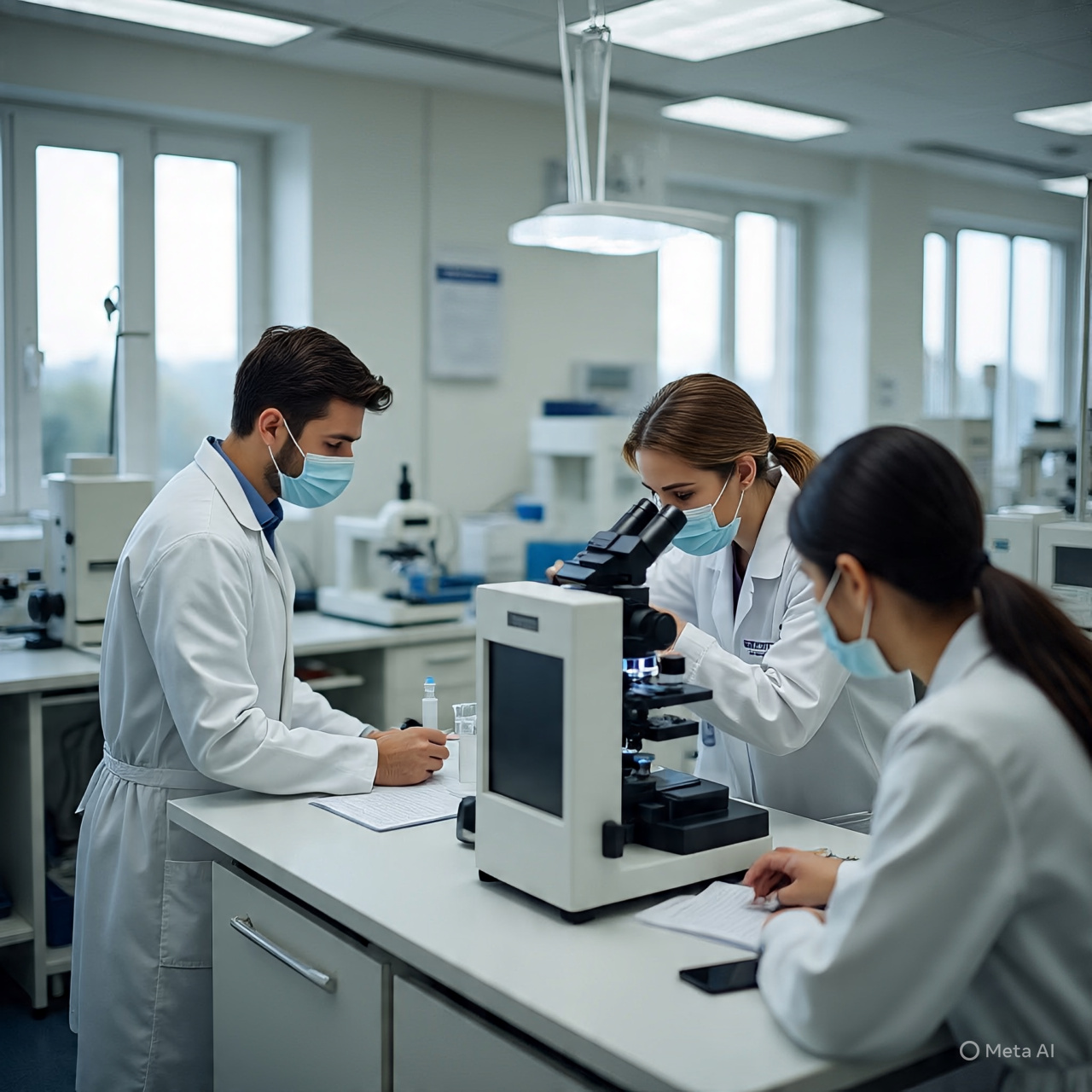
Health sciences are not limited to a local hospital and clinic, but are significantly involved in the development of health on an international level. Diseases are not limited to borders and health crisis in one part of the world can easily spread to the other as was experienced with the COVID-19 pandemic. This is why the Division of Health Sciences is focused on global health education, research and policy making.
Global health is concerned with how health can be improved across countries, especially in poor, and middle-income countries where access to healthcare is poor. It deals with issues such as infectious diseases (HIV/AIDS, malaria, tuberculosis), maternal and child health and non-communicable diseases such as diabetes and hypertension.
The international policies are also affected by the health sciences. To develop recommendations on vaccination, nutrition, sanitation and response to emergency, organizations such as the world health organization (WHO) use research and recommendations made by health scientists. Universities and health centers usually work with international associations to carry out research, educate workers, and carry out community initiatives that decrease health inequalities on a global scale.
It is a global approach that makes the graduates of health sciences not only national professionals but global citizens. They are taught to think outside the box, in that cultural, economic and political conditions frame the health outcomes.
Role of Health Sciences in Global Health Challenges
The problems in global health are manifold as they may be infectious disease outbreaks or the consequences of global warming. Health sciences create the means, the expertise, and labor, which are required to overcome these obstacles in an effective manner.
As an illustration, during an epidemic, the epidemiologists monitor the disease transmission, physicians offer acute care, nurses administer vaccines, and specialists of the public health implement prevention measures. Likewise, nutritionists develop food programs to deal with malnutrition, and biomedical scientists analyze the deficiencies at the molecular level.
The other significant health problem in the world is climate change. The elevation of temperatures, the weak air quality, and the alteration of ecosystems predisposes to respiratory illnesses, the diseases carried by vectors, and food insecurity. The professionals in the field of Health sciences have a significant role of conducting research on these implications as well as the formulation of mitigation and adaptation strategies.
Health equity is another burning problem. Basic healthcare services are still not available to millions of people around the globe. Health sciences not only highlight these disparities but also propose solutions–such as mobile clinics, telemedicine, and community-based interventions.
Essentially, health sciences offer an all-encompassing toolkit in dealing with world health issues. Through research, education, and practice, they assist in creating health systems that are stronger and resilient enough to sustain crises in the present and even going forward.
Health Policy and Healthcare Reform
Science intersects governance at the health policy. It means the choices, legislations, and policies that define the healthcare systems. Division of Health Sciences is very crucial in influencing these policies by research, recommendations and advocacy.
Healthcare reform is a common occurrence whereby the current systems are not responsive to the needs of populations. As an example, its reforms can emphasize coverage of insurance, better delivery of healthcare or fix disparities in healthcare access. Health sciences research furnishes the evidence that is needed to justify such reforms.
Consider as an example, tobacco control policies. Research by the public health researchers on the hazards of smoking affected governments of various countries to limit, encourage cessation initiatives, and raise awareness campaigns. Similarly, research in the field of health sciences has influenced the policies regarding nutrition labels, immunization requirements, and psycho-social support.
It is not only about healthcare reform policies but it is about implementing healthcare reforms. Nurses, physicians and public health professionals tend to be at the front line, to see that reforms become reality. Their comments and data gathering assists governments to improve strategies in order to achieve improved results.
Finally, health policy and reform demonstrate the way Division of Health Sciences connects academia, practice and governance. Through its contribution to fair, efficient and evidence-based systems, it makes sure that healthcare works with everyone.

Issues of the current health sciences.
As much as health sciences have achieved a lot, the discipline has not been devoid of problems. All these problems put the stability of the healthcare systems to the test and require innovative approaches. Among the most acute problems, one can single out workforce shortages, ethical dilemmas, and the unresolved health inequalities.
Among the significant obstacles, the lack of medical specialists can be identified. It is a challenge to many countries to educate and retain sufficient number of doctors, nurses, and other allied health workers to serve increasing demands. It is especially acute in rural locations and low-income countries.
The other difficulty is to negotiate ethical issues. Biotechnology, artificial intelligence, and genetics also create concerns about privacy, fairness and consent. To cite an example, in the name of genetic editing, are we supposed to avert diseases, and where will we draw the line?
One of the most challenging barriers is health inequalities. Healthcare is not evenly distributed, and the marginalized groups tend to have worse health outcomes. It is as important to address the social determinants of health, including poverty, education and even housing, as much as medical treatment.
Finally, health systems are still challenged by global health threats, such as pandemics, climate change and antimicrobial resistance. Addressing these involves a high level of co-operation among governments, institutions, and health practitioners across the globe.
The Division of Health Sciences equips the students to take these challenges directly in their stride by providing the knowledge, ethics, and skills to adjust and innovate.
Shortage of Healthcare Professionals
The problem of the lack of healthcare professionals is worldwide. The need of doctors, nurses and allied health workers is soaring as the population increases and ages. Sadly, this has not been matched by training and recruitment.
The World Health Organization estimates that by 2030, the global shortage of healthcare workers would go up to almost 10 million. The lack of such is acute especially in developing countries whereby migration, low wages and available resources compel practitioners to find out opportunities elsewhere.
Rural regions even in developed countries have a problem with the attraction of healthcare providers. In such regions, patients can wait weeks and even months to get appointments, which results in later diagnoses and worse outcomes. Burnout occurs to nurses who are usually the mainstay of the medical facilities in terms of understaffing and workload.
The Division of Health Sciences has a key role in dealing with this challenge. Increasing educational opportunities, providing scholarships, and marketing remote-care technologies, institutions will have a chance to supply and retain more professionals. Also, there is an interdisciplinary teamwork where duties are effectively divided among the doctors, nurses and allied health workers.
The resolution of this shortage will involve long term investment, improved working conditions and powerful policies. Even the best technologies and medicines are not going to reach the most needy people without sufficient medical workers.
Ethical Dilemmas in Modern Medicine
With the development of health sciences, one must expect a range of ethical dilemmas that can problematize the professionals and society. Modern medicine can do miraculous things–genetic modification, life-sustaining machines–but they bring hard questions: because we have the capability to do it, does it mean that we should?
Genetic engineering and genetic editing is one of the hottest topics. Such technologies as CRISPR provide the potential of eliminating hereditary diseases. They also raises questions of designer babies though, and whether manipulating the human genome is morally defensible. Fairness, consent, and long term consequences questions are yet to be answered.
Another ethical sensitive issue is end-of-life care. In some cases, patients can be sustained indefinitely certainly by having their life supported, even in cases where the patient has no hope of recovery. It is a dilemma whether to provide active treatment or not to provide any aggressive treatment when the family and medical professionals are struggling with the choice to continue with aggressive treatment or not to continue with aggressive treatment and allow natural death. Such decisions entail not only medical facts but also cultural, religious and individual beliefs.
Health care is also ethically questionable. Are only the affluent deserving of access to costly treatments such as gene therapy, or organ transplants? In the health sciences, the professionals support equal access however, financial and political forces tend to restrict them.
The use of artificial intelligence (AI) in healthcare introduces new questions. Although AI will enhance diagnoses and efficacy, there are concerns of accountability- who will be accountable should a machine commit an error?
In the end, it is the ethical issues related to the health sciences that compel us to put innovation and humanity into a dilemma. Those in this profession should not only be good in science but also have a good sense of ethics to base decisions that will have an impact on lives.
The reduction of Health Inequalities.
One of the most enduring health care challenges is still health inequalities. In spite of the progress of the world, the accessibility of quality healthcare is not equal. The people who receive care, the speed and effectiveness of the care, is still determined by social, economic and cultural factors.
An example cited is rural communities that usually do not have healthcare facilities and patients have to travel long distances to receive simple services. Poverty denies individuals in most of the developing countries the ability to afford medicines, inoculations, and even clean drinking water. In the meantime, minority groups in the developed countries might experience discrimination, language obstacles, or distrust of the medical establishment, which leads to worse health results.
The Division of Health Sciences is holistic in addressing them. The role of community outreach programs is to be designed by public health professionals, advocate nurses to protect the vulnerable patients, and researchers to investigate the social determinants of health to impact improved policies. To bridge the gap, one can, e.g. promote universal healthcare coverage, fund rural clinics more, and promote telemedicine.
Education is also influential. Institutions equip graduates by training healthcare professionals to be culturally sensitive and cognizant of disparities to be able to serve diverse populations.
Health inequalities do not only pose a question of equity, it is also critical in creating healthier and stronger societies. The healthcare system can only be as strong as the capacity to deliver its services to all the people without favoring income, geography, or background.

Future of the Division of Health Sciences
Future of health sciences is challenging yet exciting. The emerging technological changes, shifting demographics and emerging health challenges are altering the healthcare delivery model. The Division of Health Sciences is on the leading edge to equip professionals to address these new realities.
Preventative care is one of the areas. Rather than concentrating on the treatment of diseases, the future healthcare models will put an emphasis on preventing the disease by lifestyle modification, frequent screenings and education on health. Not only can this move enhance quality of life but it saves a lot of money spent on healthcare.
Technology will also form the centre of interest. Digital innovations are transforming healthcare by making it both more customized and more accessible, including AI-driven diagnostics and wearable health devices. As one such example, patients with chronic illnesses might employ wearable devices to monitor their well-being immediately and have the data sent to doctors immediately.
Another trend of the future is global collaboration. Diseases are going to cross borders, and professionals in the sphere of health sciences need to collaborate on the global level to exchange data, create vaccines, and address the crises.
The Division of Health Sciences will keep on developing, and increase programs combining science, ethics, and technology. Its purpose will not change: it will continue to prepare professionals capable of evolving, innovating, and transforming healthcare to the future.
Digital Health and Telemedicine
Telemedicine and digital health are transforming our concept of healthcare. They used to be regarded as futuristic, but now are absolutely necessary to enhance access and efficiency in the global arena.
Telemedicine enables patients to meet doctors, nurses, and specialists instead of in the hospital through video calls or apps. This has revolutionized the rural places where there are few medical facilities. Patients do not need to travel far to have the consultations and follow ups can be done online.
Digital health technologies are more than virtual consultations. Smartwatches monitor the heart rate, blood sugar levels, and sleep patterns and send real-time data to healthcare providers. Smartphone applications remind a patient of taking medication, whereas AI-based platforms assess the symptoms and provide potential diagnosis.
The advantages are obvious: lower expenditures, enhanced accessibility, and enhanced patient engagement. Nevertheless, there are still some issues to face, including guaranteeing the privacy of the data, the absence of misdiagnosis without physical examination, and the problem of the digital divide that excludes a certain population group due to the lack of internet access.
Nevertheless, the possibility of digital health is massive. It enables patients to become in charge of their own health and aids professionals in providing more accurate and timely care. The Division of Health Sciences is already preparing future professionals to utilize digital tools in an effective manner so that they are ready to enter into this new generation of healthcare.
Artificial Intelligence in Healthcare
Artificial Intelligence (AI) is not a far-off notion anymore–it is already influencing healthcare in the present day. Since the analysis of medical images and the prediction of disease outbreaks have been proven, AI is turning out to be an effective ally of health sciences.
In the diagnostics sphere, AI can identify the presence of abnormalities in X-rays, MRIs, and CT scans with unprecedented precision, and in some cases, it is even more precise than human experts. This accelerates the diagnosis and minimizes human error. Within pharmacology, AI speeds up the discovery of drugs by conducting research on large datasets to discover potential compounds more quickly than alternative methods.
Personalized medicine is changing as well with AI. Genetic data, lifestyle habits, and medical histories can be analyzed by algorithms and suggest treatment based on individual patients. As an example, the treatment of cancer is now able to be tailored to address particular mutations in a tumor of a patient.
In addition to clinical use, AI can aid in the interests of public health by forecasting disease trends and epidemic spread and helping to plan emergency response.
Nevertheless, the use of AI also brings with it ethical, data protection, and professional accountability challenges. Can AI replace doctors? The response is no–but it can improve them. AI is a tool, not a replacement. Machines will never be able to replace the human touch in healthcare: compassion, empathy, and ethical judgment.
The Division of Health Sciences makes sure that the future professionals will be prepared not only to utilize AI but to be responsible and able to deal with its ethical and practical challenges.
The Role of Preventive Medicine
Preventive medicine has turned into the pillar of contemporary medicine. Preventive strategies would ensure diseases do not occur rather preventing them before they happen to enhance the overall health and cut down on spending.
There are three prevention levels addressed in this field:
- Primary prevention – the prevention of diseases before they occur (e.g., vaccinations, healthy diets, exercise).
- Secondary prevention – detecting conditions early through screenings and check-ups (e.g., mammograms, blood pressure tests).
- Tertiary prevention – reducing complications of known illnesses (e.g. rehabilitation of stroke patients).
Preventive medicine does not only deal with the personal decision-making, but also the policies in health care of the population. The study of health sciences is applied by governments to facilitate the anti-smoking crusade, labeling of foods and active lifestyles.
The advantages are high. Preventive medicine can decrease the number of hospitalizations, improve the lifespan, and improve quality of life. Indeed, 80 percent of heart diseases and type 2 diabetes can be prevented only by changing lifestyles.
Preventive medicine will be even more urgent as the healthcare costs are growing. The Division of Health Sciences prepares future professionals to approach work preventatively so that medical systems will change to become prevention-oriented instead of the current focus on treatment.
Conclusion
Division of Health Sciences is among the most influential disciplines, which define the future and present of healthcare. It is covered by a broad spectrum of professions including medicine and nursing, pharmacy, and other professions that collaborate to enhance human well-being.
Health sciences primarily emphasize education, research, and practice, which makes sure that healthcare professionals are prepared to meet the challenges of the world. The division is always on the frontier to what can be achieved in healthcare whether it is a groundbreaking research, new technology, or preventive actions.
The Division of Health Sciences is going to change with the society- adjusting and adapting to the challenges, embracing the technology, and ensuring equity. In essence, it is dedicated to a single mission of making people healthier, communities stronger and the world a better place.
FAQs
Which are the key branches of health sciences?
The core categories are medicine, nursing, public health, and pharmacy and the allied health professions like physical therapy and medical laboratory science.
What are the implications of health sciences in the daily aspect of life?
Health sciences touch on the kinds of food we consume to the type of medical care we undergo, which translates to improved health and increased life span.
Which are the most suitable career opportunities in health sciences?
Popular jobs are physicians, nurses, pharmacists, specialists in public health, nutritionists, physical therapists, and biomedical researchers.
What is the effect of technology on health sciences?
The technologies such as telemedicine, artificial intelligence, wearable gadgets, and genomics are increasing the efficiency, personalization, and accessibility of healthcare.
What does a health sciences graduate have in store?
All over the world there is increasing demand of healthcare professionals. Graduates will find extensive career opportunities in the hospital, research sector, global health organizations and digital health.


