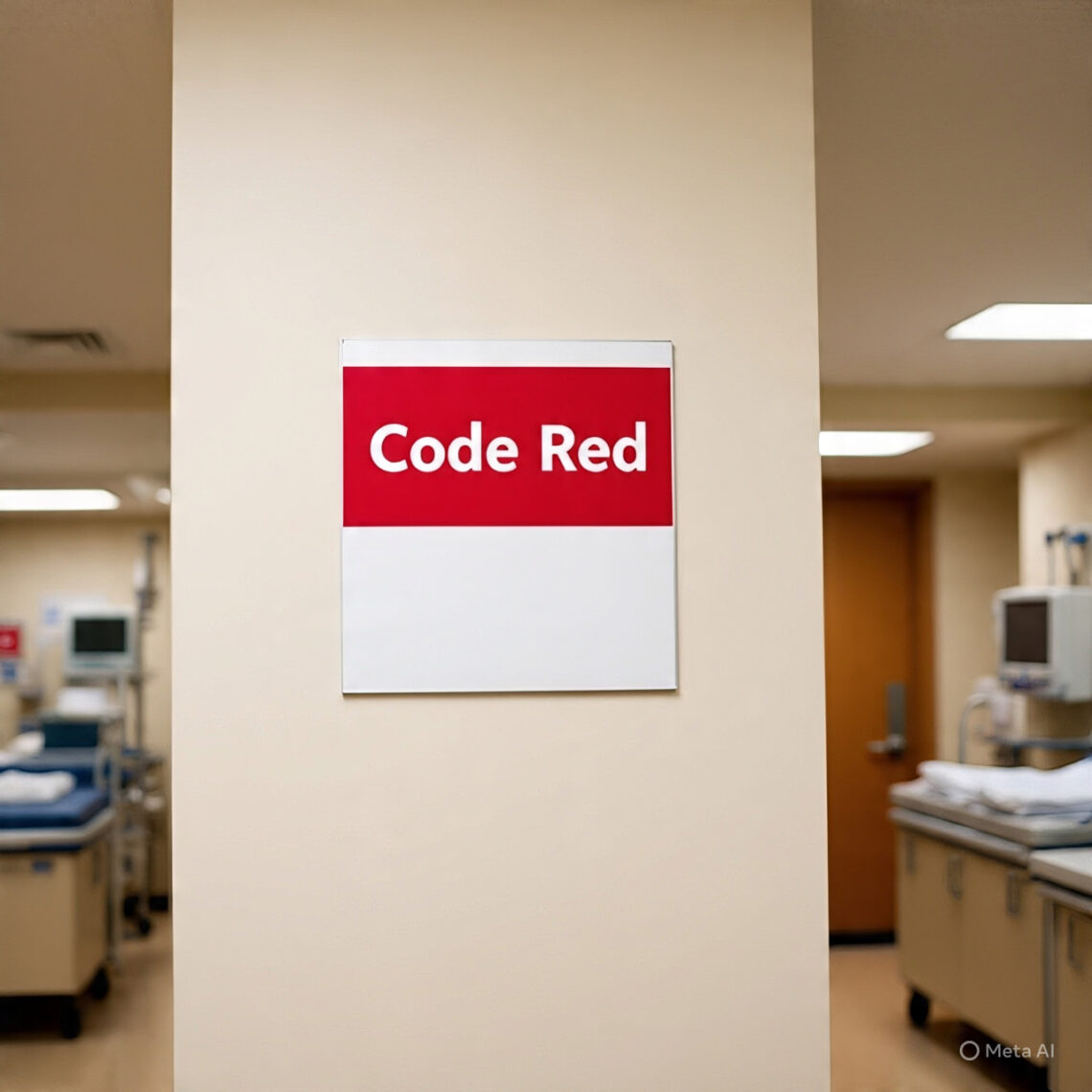
Introduction to Hospital Emergency Codes
Hospitals are some of the busiest and most complex facilities in the world. From intensive care units to emergency departments, every second matters when it comes to patient safety. In order to handle critical situations swiftly and efficiently, hospitals rely on emergency codes. These codes are usually color-coded phrases that alert staff to specific situations without alarming patients or visitors unnecessarily.
What Are Hospital Emergency Codes?
Hospital emergency codes are standardized communication tools designed to inform staff about specific emergencies. Instead of broadcasting “fire in the building” or “patient needs resuscitation,” hospitals use codes like Code Red or Code Blue. This ensures that staff respond appropriately without creating panic among patients and visitors.
For example:
-
Code Blue usually signals a cardiac arrest.
-
Code Black may indicate a bomb threat.
-
Code Yellow often refers to a disaster or mass casualty event.
These codes create a streamlined communication system where staff can act quickly and efficiently.
Why Hospitals Use Color-Coded Alerts
Color-coded alerts serve several purposes. First, they protect patient privacy by keeping details vague to non-staff members. Second, they reduce chaos, since a code like “Code Red” is less alarming to a visitor than hearing “Fire in ICU.” Lastly, codes allow for immediate recognition and response. Staff are trained to associate each color with a specific action plan, ensuring a quick, unified response to emergencies.
What Does Code Red Hospital Mean?
When you hear “Code Red” in a hospital, it almost always refers to a fire emergency. Hospitals are full of sensitive equipment, oxygen tanks, and patients who cannot move on their own, making fires extremely dangerous in these environments.
The Standard Definition of Code Red
Code Red = Fire or smoke has been detected inside the hospital.
This alert doesn’t always mean the fire is large or spreading rapidly. It could be something minor like a smoke alarm triggered by faulty equipment, but the hospital must treat every Code Red as a potential threat. Once Code Red is announced, fire response protocols are immediately activated.
Common Variations Across Different Hospitals
While most hospitals define Code Red as fire, there can be slight differences depending on the country or region. For example, in some smaller facilities, Code Red might also include “smoke detected” even if no active fire exists. However, in most standardized healthcare systems across the world, Code Red is universally linked to fire emergencies.
The Importance of Code Red in Patient Safety
Fires in hospitals are more dangerous than in almost any other building. Patients may be unconscious, hooked up to life-support machines, or too weak to move. That means hospital staff must act not only fast but also strategically to keep everyone safe.
Why Fire Emergencies Are Critical in Healthcare Facilities
Unlike office buildings, hospitals have vulnerable populations who cannot simply run out when a fire alarm sounds. A single oxygen tank can turn a small fire into an explosion, and smoke inhalation can endanger critically ill patients in seconds. For this reason, hospital staff undergo specialized training to respond to Code Red situations effectively.
Real-Life Examples of Code Red Situations
There have been multiple real-world cases where Code Red saved lives. For instance, in 2019, a hospital in India experienced a fire in the neonatal unit. Thanks to quick Code Red activation, staff evacuated newborns in incubators within minutes, preventing tragedy. Similarly, U.S. hospitals frequently report small fires caused by overheated equipment, and Code Red responses ensure those incidents are contained before escalating.

Step-by-Step Hospital Protocol During Code Red
Every hospital has its own emergency action plan, but most follow a structured approach to Code Red. The focus is on early detection, quick response, patient evacuation, and fire containment.
Staff Response and Roles During a Code Red
When Code Red is announced, staff members immediately spring into action:
-
Nurses and doctors secure their patients and prepare for possible evacuation.
-
Security staff move toward the fire area to assist and guide evacuation.
-
Maintenance teams shut off gas lines, oxygen valves, and electrical connections if necessary.
-
Fire response teams use extinguishers or sprinklers to contain the fire.
Everyone has a defined role to avoid confusion during the emergency.
Evacuation Procedures for Patients and Visitors
Hospital evacuations during Code Red are complex. Patients in intensive care cannot simply be wheeled out, so hospitals often use a “horizontal evacuation” approach. This means moving patients to a safer area on the same floor instead of rushing them outside immediately. Visitors are guided calmly toward exits by staff or security teams to prevent chaos.
Fire Containment and Safety Measures
Most hospitals are built with fire-resistant walls, sprinkler systems, and fire doors to contain flames and smoke. Staff are trained in the RACE protocol:
-
Rescue anyone in danger
-
Activate the alarm
-
Contain the fire by closing doors
-
Extinguish the fire if possible
This step-by-step process ensures maximum safety while minimizing the spread of fire and smoke.
Training and Preparedness for Code Red
Hospitals don’t just wait for emergencies to happen—they prepare in advance. Training plays a critical role in ensuring Code Red is handled smoothly.
Fire Drills and Simulation Exercises in Hospitals
Most hospitals conduct fire drills multiple times a year. These drills simulate real Code Red situations, giving staff practice in evacuating patients, shutting down equipment, and working as a team. Regular drills improve confidence and reduce panic when a real emergency strikes.
Staff Education and Emergency Awareness
Every new hospital employee, from doctors to janitors, undergoes emergency training. This includes:
-
Learning how to use fire extinguishers
-
Recognizing fire hazards in hospital settings
-
Understanding evacuation routes
-
Knowing their specific role during Code Red
The Role of Security and Fire Marshals
Hospitals often have dedicated fire marshals and safety officers who oversee emergency preparedness. Their role includes monitoring fire alarms, inspecting fire safety equipment, and ensuring all staff stay updated with training. Security teams also play a huge role in guiding visitors and preventing stampedes during emergencies.

Common Misunderstandings About Code Red
Even though Code Red is one of the most widely recognized hospital emergency codes, it’s also one of the most misunderstood. Many patients, visitors, and even some new healthcare workers confuse Code Red with other alerts, or they underestimate its seriousness.
Code Red vs. Other Hospital Codes (Blue, Black, Yellow, etc.)
To clear up confusion, it’s important to distinguish Code Red from other hospital codes:
-
Code Blue – Medical emergency, usually a cardiac or respiratory arrest.
-
Code Black – Bomb threat in some hospitals, but in others, it may mean a severe storm.
-
Code Yellow – Often refers to an external disaster or mass casualty event.
-
Code Pink – Infant or child abduction.
-
Code Silver – Active shooter or violent situation.
The key difference is that Code Red always refers to fire or smoke detection. Unlike Code Blue, which is localized to one patient, Code Red has the potential to endanger the entire hospital building.
Myths and Facts About Hospital Fire Safety
A common myth is that hospital fires don’t happen because of strict safety protocols. The truth is, even with precautions, fires can still occur due to:
-
Faulty electrical equipment
-
Flammable chemicals in labs
-
Overheated machines
-
Oxygen tanks and ventilators
Another myth is that patients are always evacuated outside immediately during Code Red. In reality, horizontal evacuation is more common, as moving fragile patients outside could put them in more danger than the fire itself.
The Role of Technology in Code Red Alerts
Technology plays a massive role in preventing, detecting, and responding to fire emergencies in hospitals. Without modern tools, Code Red responses would be far slower and less efficient.
Fire Alarm Systems and Smart Sensors
Hospitals rely on highly sensitive smoke detectors and sprinkler systems. These systems can detect fire or smoke at the earliest stages, often before it becomes noticeable to humans. Newer hospitals are now adopting smart fire sensors that connect directly to a centralized monitoring system, instantly alerting staff about the exact location of the fire.
These alarms are integrated into the hospital’s PA (public address) system, which automatically announces a Code Red alert to all departments. This ensures that staff across the building respond without delay.
Integration of Digital Communication in Emergencies
Gone are the days when emergencies relied only on overhead announcements. Modern hospitals now use:
-
Mobile alerts and apps that notify staff instantly.
-
Automated text messages sent to all on-duty employees.
-
Digital dashboards showing real-time fire status.
Some hospitals even use AI-based monitoring systems that detect unusual heat signatures or smoke patterns before alarms are triggered. This reduces false alarms and speeds up real responses.

Psychological Impact of Code Red on Patients and Staff
A fire emergency is not only a physical threat but also a psychological one. Hospitals are already stressful environments, and a Code Red announcement can heighten fear, anxiety, and confusion.
Anxiety and Stress During Fire Emergencies
Patients in hospitals are often already vulnerable, and hearing an overhead announcement of a Code Red can cause panic. Families of patients may feel helpless, not knowing whether to stay with their loved ones or follow evacuation orders.
Staff, on the other hand, face tremendous pressure during Code Red. They must balance their professional duty with their own safety concerns. Nurses may need to decide which patients to move first, and doctors may need to continue life-saving procedures even during a fire.
Post-Emergency Counseling and Support
To address these psychological effects, many hospitals offer counseling sessions after Code Red incidents. This includes:
-
Debriefing sessions for staff to review what went well and what needs improvement.
-
Counseling for patients and families who may have been traumatized by the event.
-
Stress management workshops to help staff remain calm during future emergencies.
Mental resilience is just as important as physical safety in handling Code Red effectively.
Legal and Ethical Responsibilities During Code Red
Hospitals are legally and ethically bound to protect everyone inside their facilities during emergencies. Fire incidents, in particular, place hospitals under intense scrutiny regarding their preparedness and response.
Hospital Liability in Fire Emergencies
If a hospital fails to respond adequately to a fire emergency, it could face legal consequences. For example:
-
Negligence claims if fire alarms were not functional.
-
Lawsuits if staff were not properly trained.
-
Regulatory penalties for not complying with fire safety laws.
Hospitals must meet fire code regulations set by local and national authorities, including having fire extinguishers, alarms, sprinklers, and clear evacuation plans.
Patient Rights and Safety Prioritization
Ethically, hospitals must prioritize patient safety over property. This means staff must take every possible step to protect patients—even if it means risking their own safety or losing valuable equipment. In particular, critical care patients (like those on ventilators) must be given special attention, as they cannot be evacuated easily.
Hospitals also have a duty to inform families about the situation and ensure clear communication throughout the emergency. Transparency helps maintain trust, even during crises.

Case Studies of Code Red in Hospitals
Looking at real-world examples of Code Red events helps us understand why these protocols are essential and how quick actions save lives.
Successful Fire Containment Examples
-
Case Study 1: Toronto, Canada (2021): A small fire broke out in a hospital laundry room. Thanks to quick detection and Code Red activation, staff contained the fire within 10 minutes, preventing the evacuation of critical care units.
-
Case Study 2: New Delhi, India (2019): A neonatal intensive care unit caught fire. Nurses acted immediately under Code Red, carrying newborns in their arms and moving incubators safely. Not a single life was lost.
Lessons Learned from Past Incidents
From these cases, hospitals learned:
-
Early detection saves lives. A fast response can turn a major disaster into a minor incident.
-
Training is non-negotiable. Staff must know their roles in detail.
-
Communication prevents chaos. Announcements and clear instructions help visitors and families remain calm.
These lessons continue to shape hospital fire safety protocols worldwide.
Future of Code Red Management in Hospitals
As hospitals become more technologically advanced and patient populations grow, Code Red management is evolving rapidly. Fire safety is no longer limited to alarms and extinguishers—it now involves smart systems, predictive technology, and innovative design.
Innovations in Fire Safety Technology
Modern hospitals are investing heavily in next-generation fire prevention and response tools. Some of these include:
-
AI-Powered Fire Detection: Artificial intelligence can monitor temperature, smoke levels, and air quality in real-time, identifying potential fire risks before alarms are triggered.
-
Smart Sprinkler Systems: Unlike traditional sprinklers that soak entire rooms, modern sprinklers are more precise, releasing water or foam directly at the source of the fire.
-
Wireless Fire Alarms: These allow for instant alerts across multiple departments, even if the hospital’s main system is compromised.
-
Robotic Firefighting Assistants: Some research hospitals are testing small robotic units that can enter dangerous areas and extinguish fires without risking human life.
These innovations not only reduce risks but also make fire management faster and more effective, particularly in complex healthcare environments.
Building Smarter and Safer Healthcare Facilities
Hospital design plays a massive role in fire safety. Architects and engineers are now designing fire-resilient hospitals that include:
-
Fireproof materials in walls, floors, and ceilings.
-
Compartmentalization, which divides hospital wings with fire-resistant barriers to stop flames from spreading.
-
Automated ventilation controls to prevent smoke from filling patient rooms.
-
Dedicated evacuation routes that allow staff to move patients quickly without causing bottlenecks.
As hospitals grow larger, these safety designs ensure that Code Red situations are managed without unnecessary chaos or danger.

Conclusion
Code Red in a hospital isn’t just another alert—it’s a lifesaving signal that demands immediate, coordinated action. It signifies a fire or smoke emergency, a threat that can put every patient, visitor, and staff member at risk. Unlike many other facilities, hospitals face unique challenges during fires: vulnerable patients, sensitive equipment, and life-support systems that cannot be simply unplugged or moved.
That’s why Code Red is more than a simple alarm. It’s a carefully structured emergency protocol involving fire detection systems, staff roles, evacuation strategies, and patient protection measures. Hospitals prepare for this through training, drills, advanced technology, and ethical responsibility to prioritize patient safety.
The lessons learned from past Code Red incidents highlight one key truth: early action saves lives. Whether it’s a nurse securing an ICU patient, a fire marshal containing flames, or an advanced sensor detecting smoke before it spreads, every step counts in ensuring that hospitals remain safe, even during a crisis.
As healthcare facilities adopt AI, smart safety systems, and fireproof designs, the future of Code Red management looks more advanced and reliable than ever. Still, the human element—calmness, courage, and teamwork—will always remain at the heart of Code Red responses.
FAQs About Code Red in Hospitals
Q1: What should visitors do during a Code Red?
Visitors should remain calm and follow hospital staff instructions. Do not use elevators, stay away from the fire area, and move toward designated exits or safe zones as directed.
Q2: How often do hospitals conduct fire drills?
Most hospitals conduct fire drills at least twice a year, though some do them quarterly. Staff are trained regularly to ensure quick, coordinated responses.
Q3: Are Code Red alarms the same worldwide?
Not always. While Code Red usually means fire in many countries, some regions use different systems. Visitors should familiarize themselves with the posted hospital safety codes.
Q4: Who makes the final decision to evacuate?
The hospital administrator, fire marshal, or incident commander typically decides whether to evacuate fully. They evaluate fire severity, building safety, and patient conditions before making the call.
Q5: How do hospitals keep critical patients safe during Code Red?
Critical patients are often moved using horizontal evacuation within the same floor. If necessary, life-support machines may be connected to portable equipment so patients can be transferred safely.
